Charles Harford Lloyd
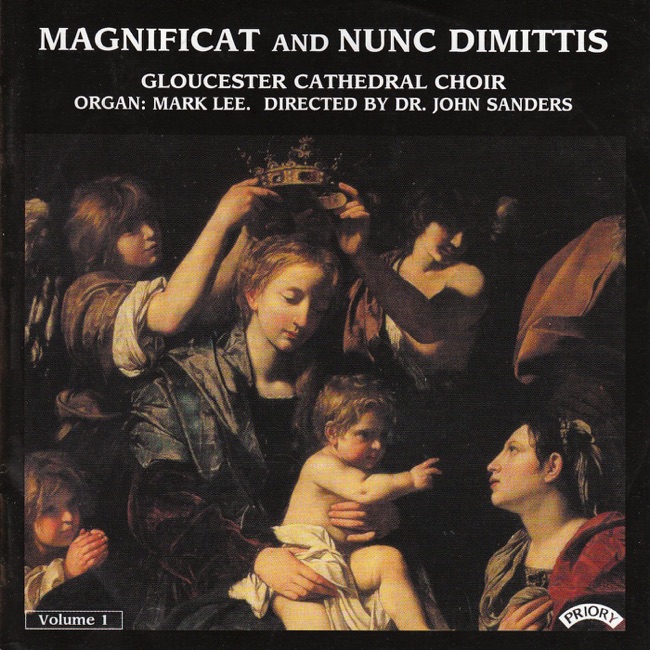
Magnificat and Nunc Dimittis in A major
Released Album
Recent Album
Works Info
Composer:Charles Harford LloydGenre:ChoralStyle:MagnificatAverage_duration:8:09Movement_count:2Movement ....Charles Harford Lloyd's Magnificat and Nunc Dimittis in A major is a choral work that was composed in the late 19th century. It was premiered in 1888 at St. Paul's Cathedral in London, England. The piece is divided into two movements, the Magnificat and the Nunc Dimittis, which are both based on biblical texts. The Magnificat is a setting of the Song of Mary, which is found in the Gospel of Luke. The movement begins with a solo soprano singing the opening lines, "My soul doth magnify the Lord, and my spirit hath rejoiced in God my Saviour." The choir then joins in, singing a joyful and exultant melody that is punctuated by fanfare-like brass and organ interludes. The movement builds to a climax with the choir singing "As it was in the beginning, is now, and ever shall be, world without end. Amen." The Nunc Dimittis is a setting of the Song of Simeon, which is also found in the Gospel of Luke. The movement begins with a solo bass singing the opening lines, "Lord, now lettest thou thy servant depart in peace, according to thy word." The choir then joins in, singing a more subdued and contemplative melody that is accompanied by gentle organ and string interludes. The movement ends with the choir singing "Glory be to the Father, and to the Son, and to the Holy Ghost. As it was in the beginning, is now, and ever shall be, world without end. Amen." Overall, Lloyd's Magnificat and Nunc Dimittis in A major is a beautiful and uplifting choral work that showcases the composer's skill in writing for voices and instruments. The piece is characterized by its soaring melodies, rich harmonies, and dramatic contrasts between the two movements. It remains a popular choice for choral performances and is considered a classic of the Anglican choral tradition.More....
Works Music
Released Music