William Byrd
Puer natus est nobis
Released Album
Recent Album
Featured Album
Works Info
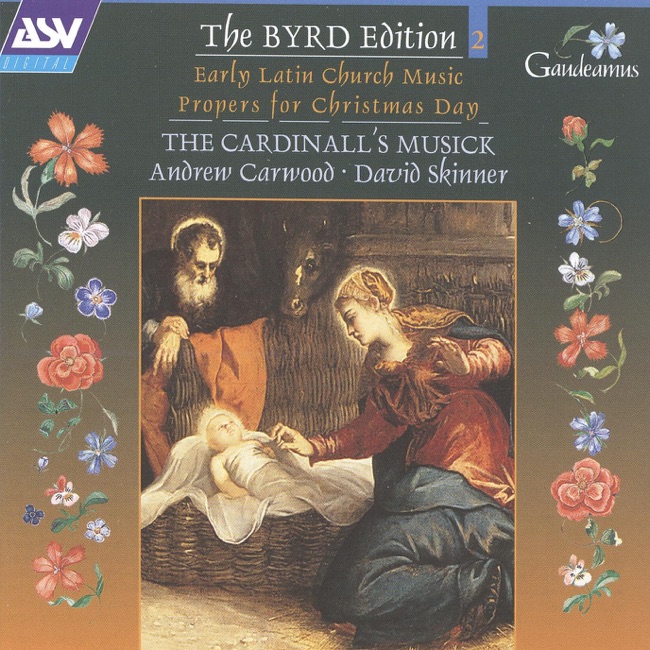
Composer:William ByrdGenre:ChoralStyle:MotetCompose Date:1607Average_duration:7:04'Puer natus est nobis' is a Christmas motet composed by William Byrd, an English composer of the Renaissance era. The piece was composed in the late 16th century, around 1580, during the reign of Queen Elizabeth I. It was first performed in the Chapel Royal, London, and was later published in Byrd's collection of Gradualia in 1605. The motet is written in Latin and is divided into four movements. The first movement is a joyful and celebratory setting of the text "Puer natus est nobis" (A child is born to us), which is taken from the Book of Isaiah in the Bible. The second movement is a more reflective setting of the text "Gloria in excelsis Deo" (Glory to God in the highest), which is the angelic hymn sung at the birth of Jesus. The third movement is a setting of the text "Quem vidistis pastores?" (Whom did you see, shepherds?), which is a dialogue between the shepherds and the angels. The final movement is a joyful setting of the text "Hodie Christus natus est" (Today Christ is born), which celebrates the birth of Jesus. The motet is characterized by its rich harmonies, intricate counterpoint, and expressive use of dissonance. Byrd's use of chromaticism and unexpected harmonic shifts creates a sense of tension and release, which adds to the emotional impact of the piece. The motet also features a variety of textures, from homophonic passages to complex polyphony, which showcases Byrd's skill as a composer. Overall, 'Puer natus est nobis' is a masterful example of Renaissance choral music, and remains a beloved piece in the Christmas choral repertoire.More....
Works Music
Released Music
Featured Music