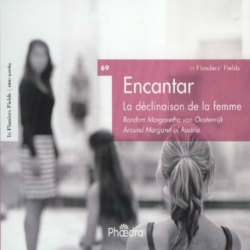
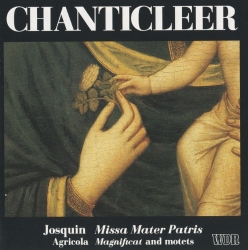
Alexander Agricola
O crux ave
Released Album
Recent Album
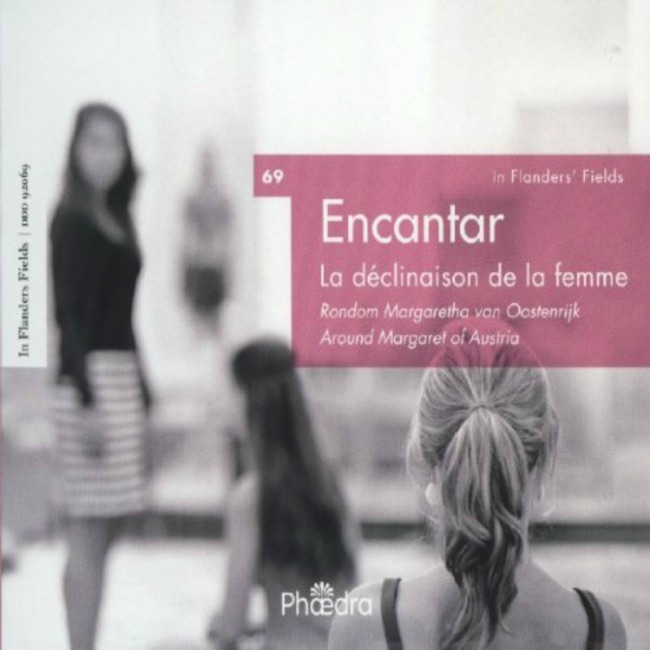
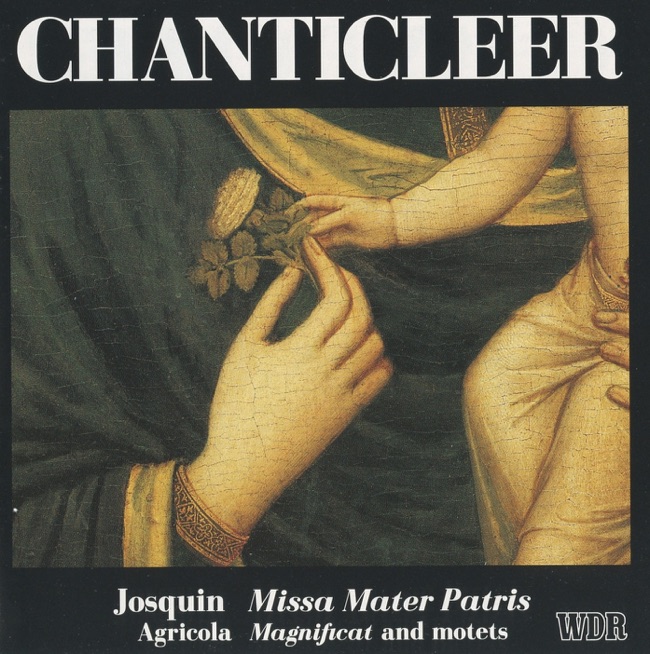
Works Info
Composer:Alexander AgricolaGenre:ChoralStyle:ChoralAverage_duration:4:35'O crux ave' is a sacred choral work composed by Alexander Agricola, a prominent composer of the Renaissance era. The piece is believed to have been composed in the late 15th century, although the exact date is unknown. It was likely written for use in the Catholic Church, as it is a hymn of praise to the cross of Christ. The piece is written in four parts, with the text sung in Latin. It is divided into three movements, each with its own distinct character. The first movement is slow and solemn, with a mournful melody that reflects the sorrow of Christ's crucifixion. The second movement is more lively and rhythmic, with a joyful melody that celebrates the victory of the cross over sin and death. The final movement returns to the solemnity of the first, with a slower tempo and a more contemplative melody that reflects on the mystery of the cross. One of the most striking characteristics of 'O crux ave' is its use of harmony. Agricola was known for his innovative approach to harmony, and this piece is no exception. The four parts weave in and out of each other, creating a rich tapestry of sound that is both complex and beautiful. The harmonies are often dissonant, but they resolve in unexpected and satisfying ways, creating a sense of tension and release that is characteristic of Renaissance music. Another notable feature of 'O crux ave' is its use of word painting. Agricola was a master of this technique, which involves using musical gestures to illustrate the meaning of the text. In this piece, he uses descending melodies to represent the downward motion of Christ's body on the cross, and ascending melodies to represent his ascent into heaven. He also uses rhythmic patterns to emphasize certain words, such as the repeated use of the word "ave" (hail) in the first movement. Overall, 'O crux ave' is a masterpiece of Renaissance choral music. Its complex harmonies, innovative use of harmony, and skillful word painting make it a work of great beauty and depth. It remains a beloved piece of sacred music to this day, and is frequently performed in churches and concert halls around the world.More....
Works Music