


Richard Rodney Bennett
Reflections on a 16th Century Tune
Released Album
Recent Album
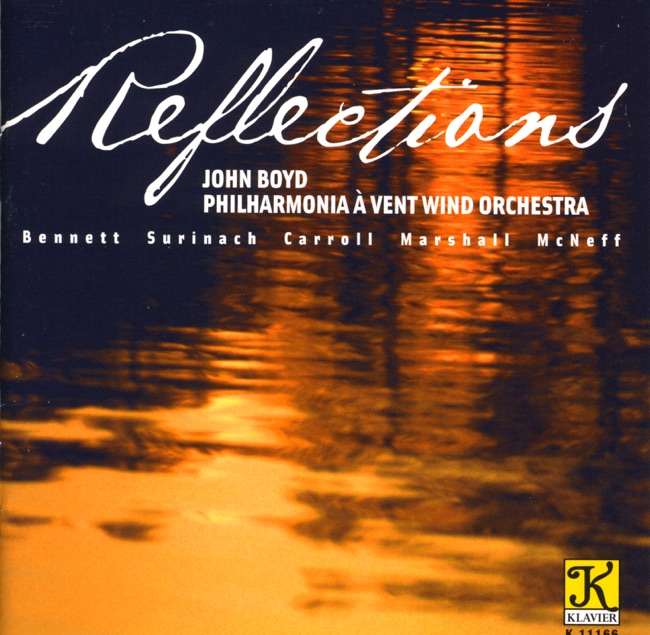
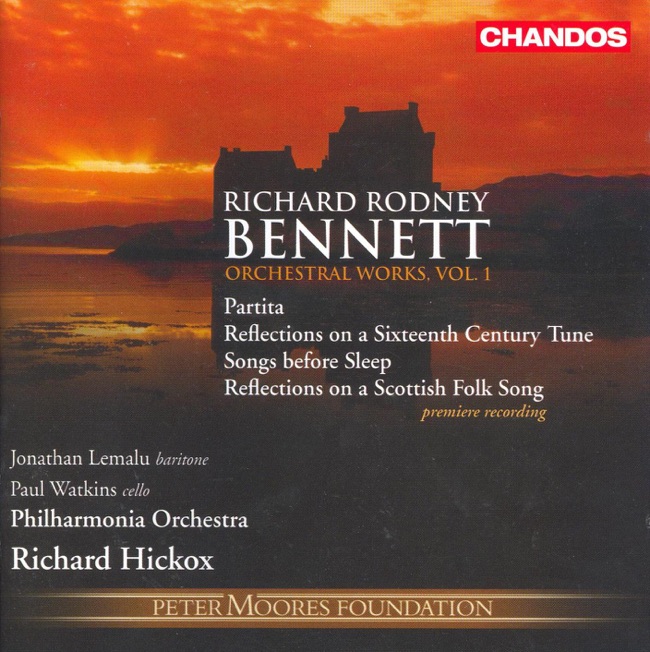
Featured Album
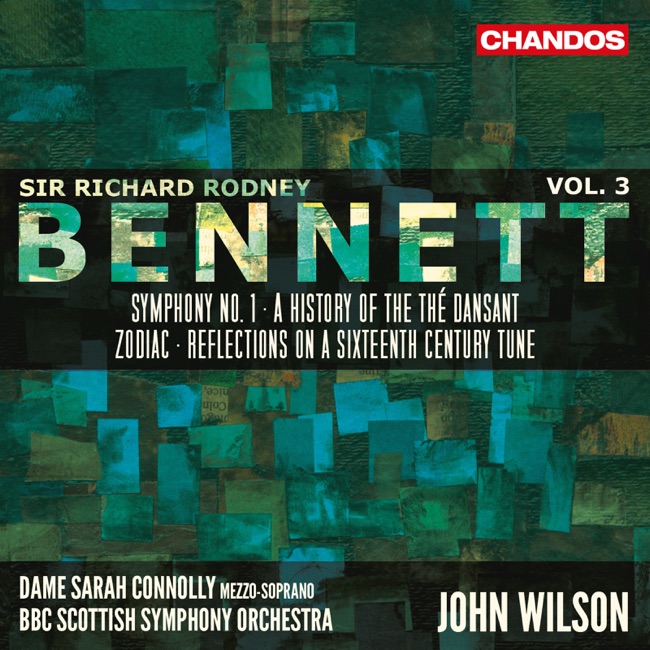
Works Info
Composer:Richard Rodney BennettGenre:OrchestralStyle:OrchestralCompose Date:1999Average_duration:15:37Movement_count:6Movement ...."Reflections on a 16th Century Tune" is a composition for solo piano by British composer Richard Rodney Bennett. It was composed in 1967 and premiered the same year by the pianist Stephen Bishop-Kovacevich. The piece is divided into three movements and has a total duration of approximately 12 minutes. The first movement, marked "Moderato," is based on a 16th-century tune called "Sellinger's Round." Bennett takes this simple melody and transforms it into a complex and virtuosic piece of music. The movement begins with a series of arpeggios that gradually build in intensity before the main theme is introduced. The melody is then developed through a series of variations that explore different harmonies and textures. The movement ends with a return to the opening arpeggios, which gradually fade away. The second movement, marked "Lento," is a stark contrast to the first. It is a slow and introspective piece that explores the more melancholic aspects of the original tune. The movement begins with a series of chords that are played softly and slowly. The melody is then introduced, but it is fragmented and distorted, as if it is struggling to emerge from the texture. The movement builds to a climax before fading away into silence. The final movement, marked "Allegro," is a lively and energetic piece that brings the composition to a close. It is based on a dance rhythm and features a series of fast and intricate passages that showcase the pianist's technical abilities. The movement is full of unexpected twists and turns, and the melody is constantly shifting and evolving. The piece ends with a flourish, bringing the composition to a thrilling conclusion. Overall, "Reflections on a 16th Century Tune" is a challenging and rewarding piece of music that showcases Richard Rodney Bennett's skill as a composer. The piece is notable for its use of complex harmonies and textures, as well as its virtuosic piano writing. It is a testament to the enduring power of simple melodies, and the ways in which they can be transformed and reimagined by talented composers.More....
Works Music
Released Music
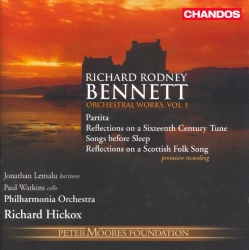
Featured Music
1
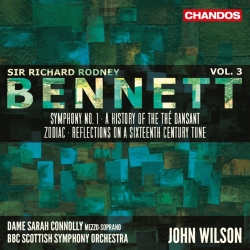
Sir Richard Rodney Bennett, Vol. 3: Symphony No. 1; A History of the Thé Dansant; Zodiac; Reflection
2:6
2
Sir Richard Rodney Bennett, Vol. 3: Symphony No. 1; A History of the Thé Dansant; Zodiac; Reflection
2:
3
Sir Richard Rodney Bennett, Vol. 3: Symphony No. 1; A History of the Thé Dansant; Zodiac; Reflection
2:43
4
Reflections on a 16th Century Tune
Variation 3 "Homage to Peter Warlock"
Sir Richard Rodney Bennett, Vol. 3: Symphony No. 1; A History of the Thé Dansant; Zodiac; Reflection
3:21
5
Sir Richard Rodney Bennett, Vol. 3: Symphony No. 1; A History of the Thé Dansant; Zodiac; Reflection
2:32
6
Sir Richard Rodney Bennett, Vol. 3: Symphony No. 1; A History of the Thé Dansant; Zodiac; Reflection
3:49