Niccolò Paganini
Sonata Varsavia (orchestra parts lost), MS 57
Released Album
Recent Album
Works Info
Composer:Niccolò PaganiniGenre:ConcertoStyle:SonataCompose Date:1829Average_duration:13:07Movement_count:9Movement ....Niccolò Paganini's Sonata Varsavia (orchestra parts lost), MS 57, was composed in 1829. The piece was premiered in Warsaw, Poland, in the same year. The sonata is divided into three movements: Allegro maestoso, Adagio, and Rondo. The first movement, Allegro maestoso, is characterized by its virtuosic violin passages and dramatic orchestral accompaniment. The movement begins with a bold and energetic theme played by the violin, which is then echoed by the orchestra. The violin then launches into a series of rapid-fire runs and arpeggios, showcasing Paganini's technical prowess. The movement ends with a triumphant restatement of the main theme. The second movement, Adagio, is a lyrical and expressive piece that showcases Paganini's ability to create beautiful melodies. The violin sings a mournful melody over a simple accompaniment, creating a sense of melancholy and introspection. The movement builds to a climax before fading away into a quiet and contemplative coda. The final movement, Rondo, is a lively and playful piece that features a catchy and memorable theme. The violin and orchestra trade off playing the main melody, with the violin adding virtuosic flourishes and embellishments. The movement builds to a frenzied conclusion, with the violin racing up and down the fingerboard in a dazzling display of technique. Overall, Sonata Varsavia is a prime example of Paganini's virtuosic and expressive style. While the orchestra parts have been lost, the piece still stands as a testament to Paganini's genius as a composer and performer.More....
Works Music
Released Music
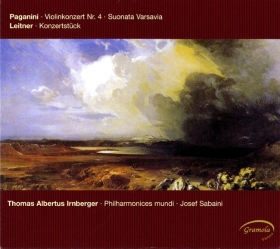
2
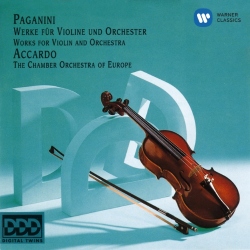
Sonata Warsaw (orchestra parts lost), MS 57
Sonata Varsavia (orchestra parts lost), variations for violin & orchestra, MS 57
15:28