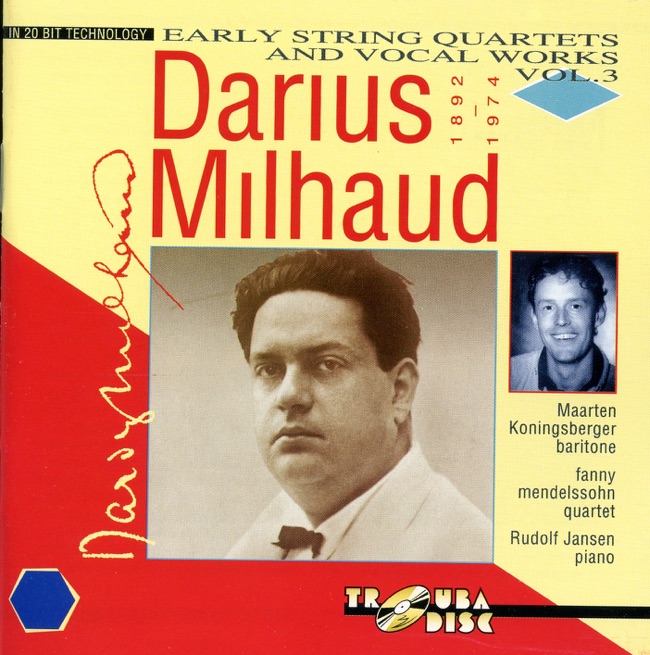
Darius Milhaud
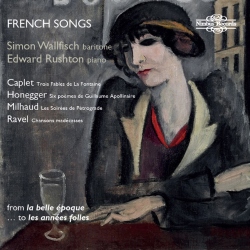
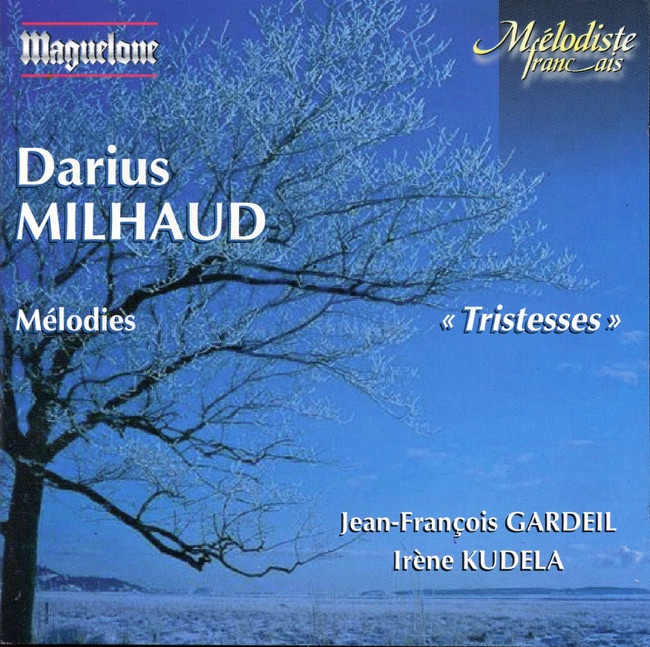
Les Soirées de Pétrograd (12), Op. 55
Released Album
Recent Album
Featured Album

Works Info
Composer:Darius MilhaudGenre:VocalStyle:Vocal MusicCompose Date:1919Publication Date:1920Average_duration:12:25Movement_count:12Movement ....Les Soirées de Pétrograd (12), Op. 55 is a composition by French composer Darius Milhaud. It was composed in 1917, during Milhaud's stay in Russia as a cultural attaché for the French government. The piece was premiered in Paris in 1920. The composition consists of twelve movements, each representing a different aspect of the vibrant nightlife in Pétrograd (now St. Petersburg) during the time of the Russian Revolution. The movements are titled as follows: 1. La Place Rouge (The Red Square) 2. Les Nuits de Pétrograd (The Nights of Pétrograd) 3. Les Cabarets de la Neva (The Cabarets of the Neva) 4. Les Rues de Pétrograd (The Streets of Pétrograd) 5. Les Femmes de Pétrograd (The Women of Pétrograd) 6. Les Enfants de Pétrograd (The Children of Pétrograd) 7. Les Clochards de Pétrograd (The Beggars of Pétrograd) 8. Les Soldats de Pétrograd (The Soldiers of Pétrograd) 9. Les Usines de Pétrograd (The Factories of Pétrograd) 10. Les Trains de Pétrograd (The Trains of Pétrograd) 11. Les Chantiers de Pétrograd (The Construction Sites of Pétrograd) 12. Les Fêtes de Pétrograd (The Festivals of Pétrograd) The movements are characterized by Milhaud's use of polytonality, a technique in which multiple keys are played simultaneously, creating a dissonant and complex sound. This technique was influenced by Milhaud's exposure to Russian folk music and the works of Russian composers such as Igor Stravinsky. The first movement, La Place Rouge, features a lively and energetic melody played by the woodwinds and brass, accompanied by a driving rhythm in the percussion. The second movement, Les Nuits de Pétrograd, is more subdued, with a haunting melody played by the strings and a mournful solo by the clarinet. The Cabarets de la Neva, the third movement, features a jazzy and syncopated rhythm, with a playful melody played by the saxophone. The fourth movement, Les Rues de Pétrograd, is more chaotic, with overlapping melodies and dissonant harmonies. The Women of Pétrograd, the fifth movement, features a sensual and exotic melody played by the strings, accompanied by a pulsing rhythm in the percussion. The Children of Pétrograd, the sixth movement, is more playful and whimsical, with a lighthearted melody played by the woodwinds. The Beggars of Pétrograd, the seventh movement, is more somber, with a mournful melody played by the strings and a solo by the oboe. The Soldiers of Pétrograd, the eighth movement, is more martial, with a driving rhythm in the percussion and a heroic melody played by the brass. The Factories of Pétrograd, the ninth movement, features a mechanical and industrial sound, with repetitive rhythms and dissonant harmonies. The Trains of Pétrograd, the tenth movement, is more frenetic, with a fast-paced rhythm and overlapping melodies. The Construction Sites of Pétrograd, the eleventh movement, features a cacophony of sounds, with dissonant harmonies and overlapping rhythms. The final movement, The Festivals of Pétrograd, is more celebratory, with a lively and energetic melody played by the full orchestra. Overall, Les Soirées de Pétrograd (12), Op.More....
Works Music
Released Music
Featured Music