


Niccolò Paganini
Sonata for violin & guitar in A major (Centone di sonate, Letter C/3), MS 112/15
Released Album
Recent Album
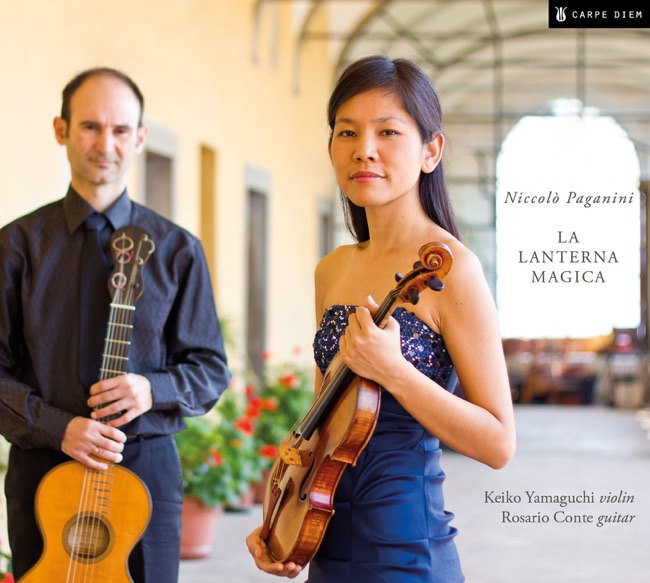
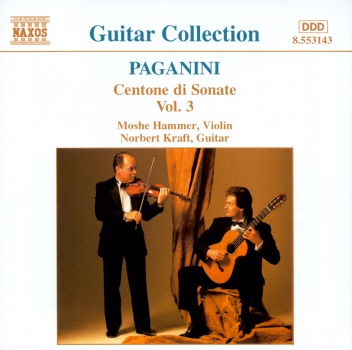
Works Info
Composer:Niccolò PaganiniGenre:ChamberStyle:SonataCompose Date:ca. 1828Average_duration:12:35Movement_count:6Movement ....Niccolò Paganini's Sonata for violin and guitar in A major, also known as Centone di sonate, Letter C/3, MS 112/15, was composed in the early 19th century. The exact date of composition is unknown, but it is believed to have been written between 1805 and 1810. The sonata was premiered in Paris in 1836, several years after Paganini's death. The sonata consists of three movements: Allegro spiritoso, Adagio assai espressivo, and Rondeau. The first movement, Allegro spiritoso, is a lively and energetic piece that showcases Paganini's virtuosic violin playing. The guitar provides a steady accompaniment throughout the movement, adding depth and texture to the piece. The second movement, Adagio assai espressivo, is a slow and melancholic piece that allows the violin to shine. The guitar provides a delicate and understated accompaniment, creating a sense of intimacy and vulnerability. The final movement, Rondeau, is a lively and playful piece that brings the sonata to a joyful conclusion. The violin and guitar play off each other, creating a sense of excitement and energy that is infectious. One of the characteristics of Paganini's Sonata for violin and guitar is the way in which the two instruments interact with each other. The violin and guitar are equal partners in the sonata, with each instrument playing an important role in creating the overall sound and feel of the piece. Another characteristic of the sonata is Paganini's use of virtuosic violin techniques. The sonata is filled with fast runs, intricate arpeggios, and complex fingerings that showcase Paganini's incredible skill as a violinist. Overall, Paganini's Sonata for violin and guitar in A major is a beautiful and engaging piece of music that showcases the talents of both the violin and guitar. Its three movements offer a range of emotions and moods, from the lively and energetic to the slow and melancholic, making it a true masterpiece of classical music.More....
Works Music
Released Music
1
Sonata for violin & guitar in A major (Centone di sonata, Letter C/3), MS 112/15
Introduzione Maestoso
56
2
6:18