Codex Calixtinus Anonymous
Ad sepulcrum beati Iacobi
Released Album
Recent Album
Featured Album
Works Info
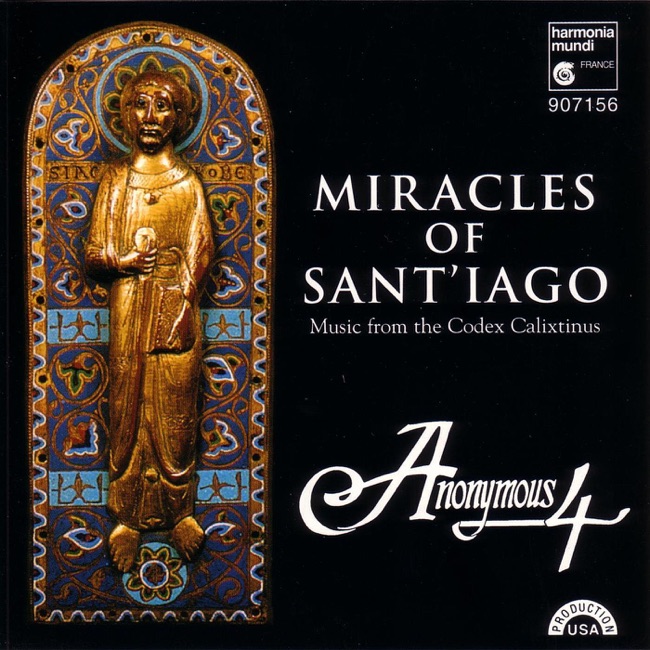
Composer:Codex Calixtinus AnonymousAverage_duration:2:12"Ad sepulcrum beati Iacobi" is a medieval composition that was included in the Codex Calixtinus, a manuscript that dates back to the 12th century. The Codex Calixtinus is a collection of texts that relate to the pilgrimage to Santiago de Compostela, which was one of the most important pilgrimage sites in medieval Europe. The manuscript contains a variety of texts, including sermons, liturgical texts, and musical compositions. The composition "Ad sepulcrum beati Iacobi" is a musical composition that was likely performed during the liturgical celebrations that took place at the shrine of St. James in Santiago de Compostela. The composition is written in the Gregorian chant style, which was the dominant style of liturgical music in medieval Europe. The composition is divided into several movements, each of which has its own distinct characteristics. The first movement of "Ad sepulcrum beati Iacobi" is a monophonic chant that is sung by a soloist. The melody is simple and repetitive, with a narrow range of notes. The text of the first movement is a prayer to St. James, asking for his intercession and protection. The second movement of the composition is a polyphonic setting of the same text. The melody is sung by a choir, while a second voice sings a counterpoint that weaves in and out of the main melody. The polyphonic setting adds complexity and richness to the music, creating a sense of depth and texture. The third movement of the composition is a solo chant that is sung by a different soloist. The melody is more complex than the first movement, with a wider range of notes and more intricate rhythms. The text of the third movement is a hymn of praise to St. James, celebrating his life and his role as a martyr. The final movement of the composition is a polyphonic setting of the same text as the third movement. The choir sings the main melody, while a second voice sings a counterpoint that adds depth and complexity to the music. The final movement is a triumphant celebration of St. James and his role as a protector and intercessor. Overall, "Ad sepulcrum beati Iacobi" is a beautiful and complex composition that reflects the rich musical traditions of medieval Europe. The composition is a testament to the importance of St. James and the pilgrimage to Santiago de Compostela, which played a significant role in the religious and cultural life of medieval Europe.More....
Works Music
Released Music
Featured Music