Francisco Correa de Arrauxo
Tercero tiento de quarto tono
Released Album
Recent Album
Featured Album
Works Info
Composer:Francisco Correa de ArrauxoGenre:KeyboardStyle:KeyboardAverage_duration:3:25Francisco Correa de Arrauxo was a Spanish organist and composer who lived in the 16th and 17th centuries. He is known for his contributions to the Spanish organ tradition, particularly his use of the tiento form. One of his most famous works is the "Tercero tiento de quarto tono," which was composed in the late 16th century. The "Tercero tiento de quarto tono" is a piece for solo organ and is written in the tiento form, which was a popular form of keyboard music in Spain during the Renaissance. The tiento was a type of improvisation that was later notated and became a formal composition. It typically consisted of a series of contrasting sections, including a free-form introduction, a fugal section, and a concluding section. The "Tercero tiento de quarto tono" is in four movements, each with its own distinct character. The first movement is a free-form introduction that sets the tone for the piece. It is followed by a fugal section that features a lively and intricate interplay between the different voices of the organ. The third movement is a slower, more contemplative section that provides a contrast to the previous movement. The final movement is a lively and energetic conclusion that brings the piece to a close. One of the characteristics of the "Tercero tiento de quarto tono" is its use of counterpoint, which is the art of combining different melodies to create a harmonious whole. Correa de Arrauxo was known for his skillful use of counterpoint, and this piece is a prime example of his mastery of the technique. Another characteristic of the piece is its use of ornamentation, which was a common feature of Spanish keyboard music during the Renaissance. The ornamentation adds a decorative element to the music and helps to create a sense of virtuosity. The "Tercero tiento de quarto tono" premiered in the late 16th century and has since become a staple of the Spanish organ repertoire. It is a challenging piece to perform, requiring a high level of technical skill and musical sensitivity. However, its intricate counterpoint and lively rhythms make it a rewarding piece for both performers and listeners alike.More....
Works Music
Released Music
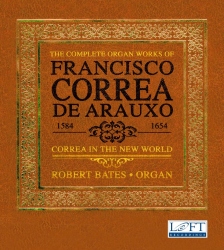
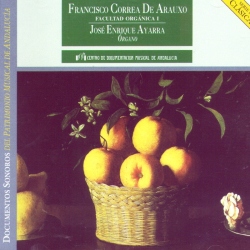
Featured Music