Franz Liszt
Aux cyprès de la Villa d'Este I, S. 163/2
Released Album
Recent Album

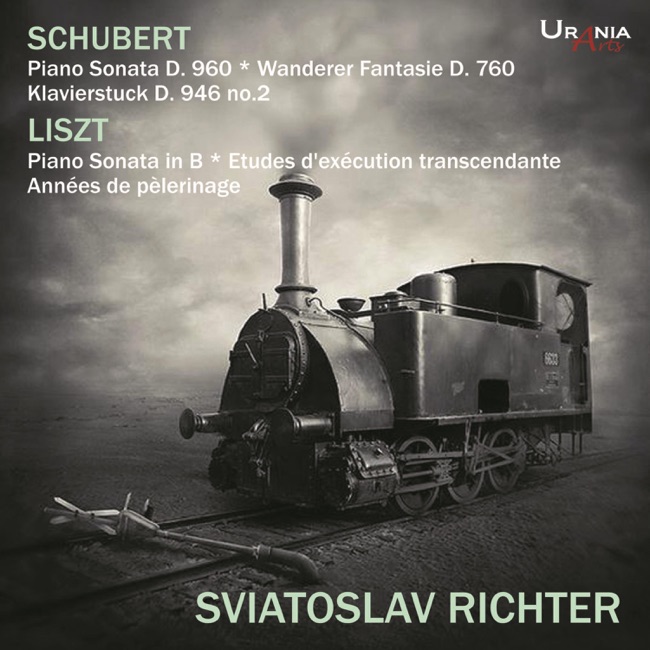

Featured Album

Works Info
Composer:Franz LisztGenre:KeyboardStyle:KeyboardCompose Date:1877Publication Date:1883Average_duration:13:57Franz Liszt's 'Aux cyprès de la Villa d'Este I, S. 163/2' is a solo piano piece that was composed in 1883. It is part of a larger work called 'Années de pèlerinage III', which is a collection of pieces that Liszt composed during his travels throughout Europe. The piece was premiered in Weimar, Germany in 1883. The piece is divided into three movements, with 'Aux cyprès de la Villa d'Este I' being the second movement. The first movement is called 'Angélus! Prière aux anges gardiens', and the third movement is called 'Les jeux d'eau à la Villa d'Este'. Each movement is inspired by a different location that Liszt visited during his travels. 'Aux cyprès de la Villa d'Este I' is a slow and melancholic piece that is characterized by its use of chromaticism and dissonance. The piece is written in the key of E-flat minor and is marked 'Andante con moto'. The opening section of the piece features a haunting melody that is played in the right hand, while the left hand provides a simple accompaniment. As the piece progresses, the melody becomes more complex and is accompanied by a series of arpeggios and trills. The middle section of the piece features a series of rapid arpeggios that are played in both hands. This section is marked 'Presto', and it provides a stark contrast to the slow and mournful opening section. The arpeggios gradually become more dissonant and chromatic, creating a sense of tension and unease. The final section of the piece returns to the opening melody, but it is played with greater intensity and passion. The melody is accompanied by a series of sweeping arpeggios and cascading runs, creating a sense of grandeur and majesty. The piece ends with a series of soft chords that gradually fade away, leaving the listener with a sense of melancholy and longing. Overall, 'Aux cyprès de la Villa d'Este I' is a beautiful and haunting piece that showcases Liszt's mastery of the piano. Its use of chromaticism and dissonance creates a sense of tension and unease, while its sweeping arpeggios and cascading runs create a sense of grandeur and majesty. It is a fitting tribute to the beauty and majesty of the Villa d'Este, and it remains one of Liszt's most beloved works.More....
Works Music
Released Music
1

Aux cyprès de la Villa d'Este I, p. 163/2
Aux Cyprès de la Villa d'Este No. 1, S. 163/2 (No. 2 from Années de Pèlerinage, Troisième Année)
6:22

Featured Music