


Georg Philipp Telemann
Sonata for flute, violin & continuo in F major, TWV 42:F8
Released Album
Recent Album
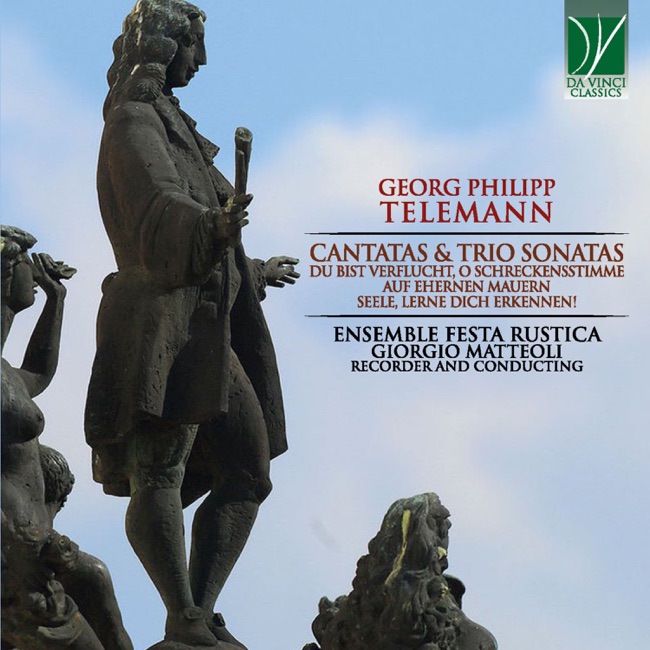
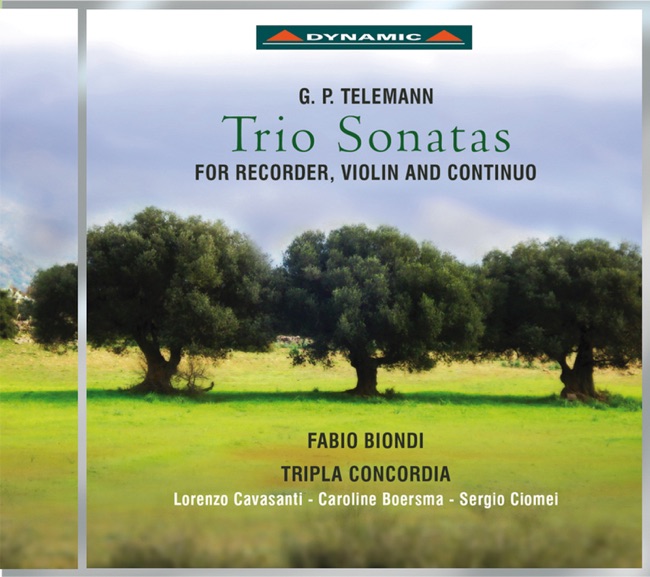
Featured Album
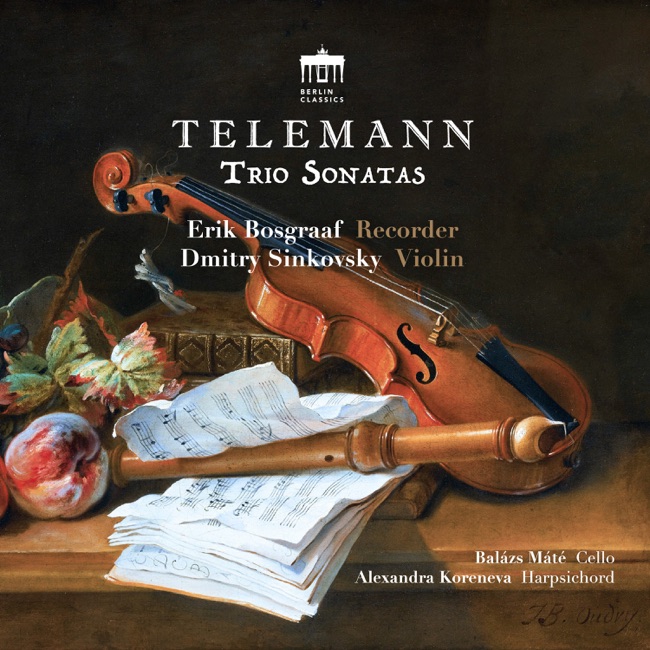
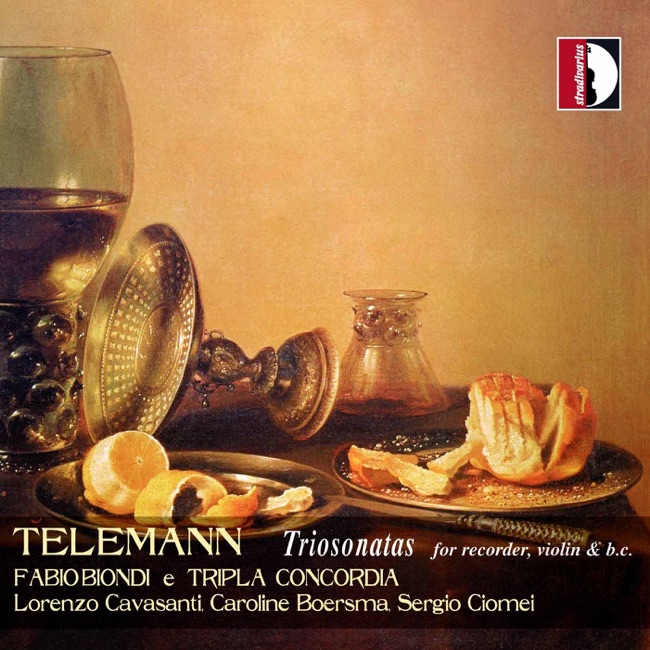
Works Info
Composer:Georg Philipp TelemannGenre:ChamberStyle:Chamber MusicCompose Date:1730Average_duration:7:06Movement_count:4Movement ....Georg Philipp Telemann's Sonata for flute, violin & continuo in F major, TWV 42:F8, was composed in the early 18th century. The exact date of composition is unknown, but it is believed to have been written between 1715 and 1720. The sonata was premiered in Germany, where Telemann was based for most of his career. The sonata consists of four movements: an opening Vivace, a slow and expressive Largo, a lively Allegro, and a final Allegro. The first movement is characterized by its energetic and playful melody, which is shared between the flute and violin. The second movement is more introspective, with a mournful melody that is passed between the two instruments. The third movement is a lively dance, with a catchy and upbeat melody that is sure to get toes tapping. The final movement is a fast and furious romp, with both instruments trading off virtuosic runs and flourishes. One of the most notable characteristics of this sonata is its use of the continuo, which provides a harmonic foundation for the flute and violin to play over. The continuo part is typically played on a harpsichord or organ, and consists of a bass line and chord symbols. This allows for a great deal of flexibility in performance, as the performers can choose to improvise their own accompaniment based on the chord symbols provided. Overall, Telemann's Sonata for flute, violin & continuo in F major is a delightful example of Baroque chamber music. Its lively melodies, intricate harmonies, and virtuosic flourishes make it a joy to listen to and perform.More....
Works Music
Released Music
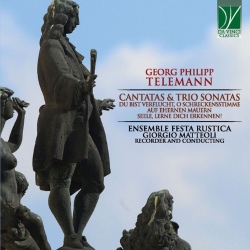
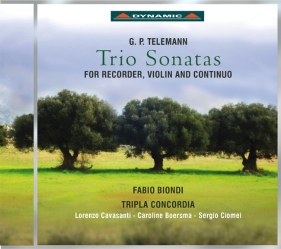
Featured Music
1

2:9
2
1:38
3
1:3
4
2:11
5
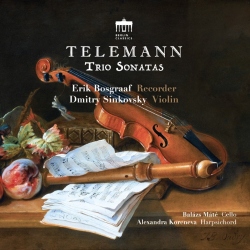
2:20
6
1:39
7
1:34
8
2:30