Robert Johnson
Fantasie for lute
Released Album
Recent Album
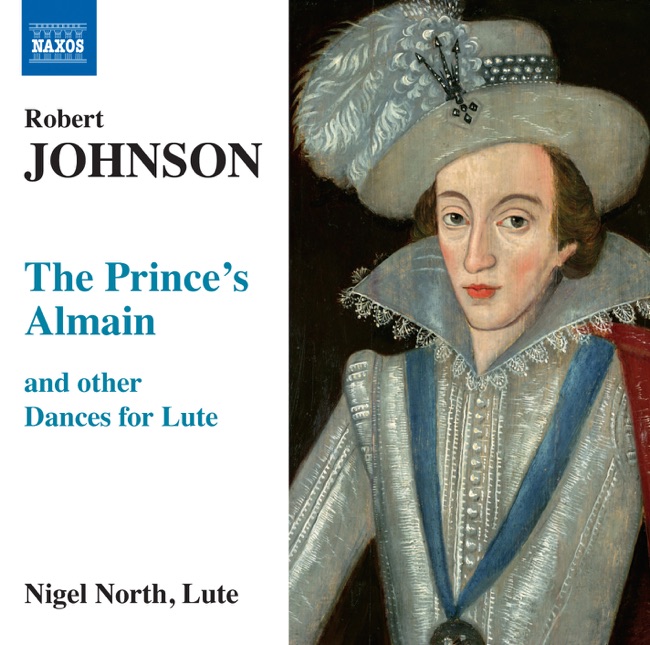


Works Info
Composer:Robert JohnsonGenre:ChamberStyle:Chamber MusicAverage_duration:3:59Robert Johnson's "Fantasie for lute" is a beautiful and intricate piece of music that was composed during the Renaissance period. The exact date of its composition is unknown, but it is believed to have been written in the early 17th century. The piece was originally written for the lute, which was a popular instrument during this time. The "Fantasie for lute" is a solo piece that is divided into several movements. The first movement is slow and contemplative, with a gentle melody that is played over a simple chord progression. The second movement is more lively and upbeat, with a faster tempo and more complex rhythms. The third movement is a return to the slower, more contemplative style of the first movement, with a beautiful melody that is played over a series of arpeggios. One of the most striking characteristics of the "Fantasie for lute" is its use of counterpoint. This is a technique where two or more melodies are played simultaneously, creating a complex and intricate sound. Johnson was a master of counterpoint, and this piece showcases his skill in this area. Another characteristic of the "Fantasie for lute" is its use of ornamentation. This is a technique where small embellishments are added to the melody, such as trills, grace notes, and slides. These embellishments add a sense of elegance and sophistication to the piece, and they are a hallmark of Renaissance music. The "Fantasie for lute" premiered during the Renaissance period, when music was an important part of courtly life. It was often performed in the homes of wealthy patrons, as well as in public concerts and festivals. Today, it is still a popular piece of music, and it is often performed by lute players and other musicians who specialize in Renaissance music. In conclusion, Robert Johnson's "Fantasie for lute" is a beautiful and intricate piece of music that showcases the composer's skill in counterpoint and ornamentation. Its slow, contemplative movements are balanced by more lively and upbeat sections, creating a sense of balance and harmony. This piece is a testament to the beauty and sophistication of Renaissance music, and it continues to be enjoyed by music lovers around the world.More....
Works Music
Released Music