François Couperin
Magnificat
Released Album
Featured Album
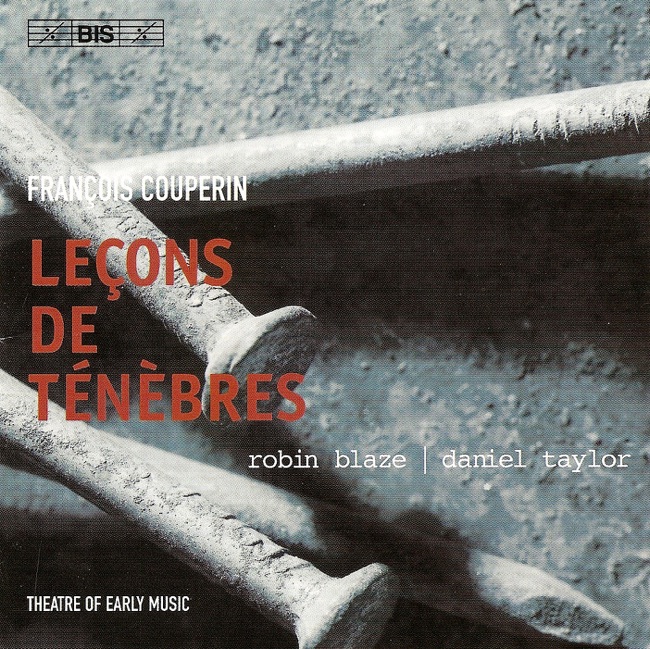
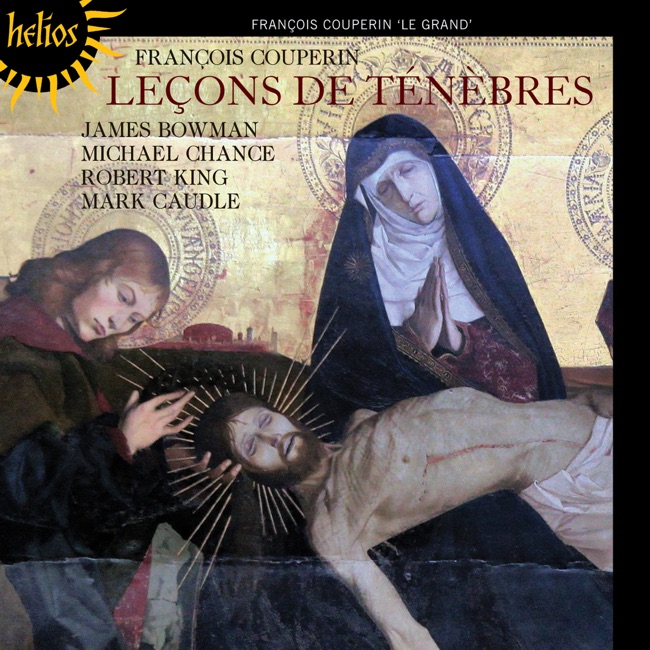
Works Info
Composer:François CouperinGenre:VocalStyle:MotetCompose Date:ca. 1700Average_duration:12:14François Couperin's Magnificat is a sacred choral work composed in the Baroque era. It was written in 1690 and premiered at the Church of Saint-Gervais in Paris. The Magnificat is a hymn of praise to the Virgin Mary, and it is traditionally sung during the evening prayer service of Vespers. The Magnificat is divided into nine movements, each of which is based on a different verse from the biblical text. The first movement, "Magnificat anima mea Dominum," is a joyful and exuberant opening that sets the tone for the entire work. The second movement, "Et exultavit spiritus meus," is a lively and energetic section that features a solo soprano voice. The third movement, "Quia respexit humilitatem," is a more subdued and introspective section that features a solo alto voice. The fourth movement, "Quia fecit mihi magna," is a celebratory section that features a solo tenor voice. The fifth movement, "Et misericordia eius," is a gentle and tender section that features a solo soprano voice. The sixth movement, "Fecit potentiam in brachio suo," is a powerful and majestic section that features the full choir. The seventh movement, "Deposuit potentes de sede," is a dramatic and intense section that features a solo bass voice. The eighth movement, "Esurientes implevit bonis," is a joyful and lively section that features a solo alto voice. The final movement, "Gloria Patri," is a triumphant and majestic conclusion that brings the entire work to a close. The Magnificat is characterized by its rich harmonies, intricate counterpoint, and expressive melodies. Couperin's use of solo voices and full choir creates a dynamic and varied texture that keeps the listener engaged throughout the entire work. The Magnificat is a masterpiece of Baroque choral music and remains a beloved and frequently performed work to this day.More....
Works Music
Featured Music