


Franz Liszt
Franz Schuberts Geistliche Lieder (4) (after Rosamunde), S. 562
Released Album
Recent Album
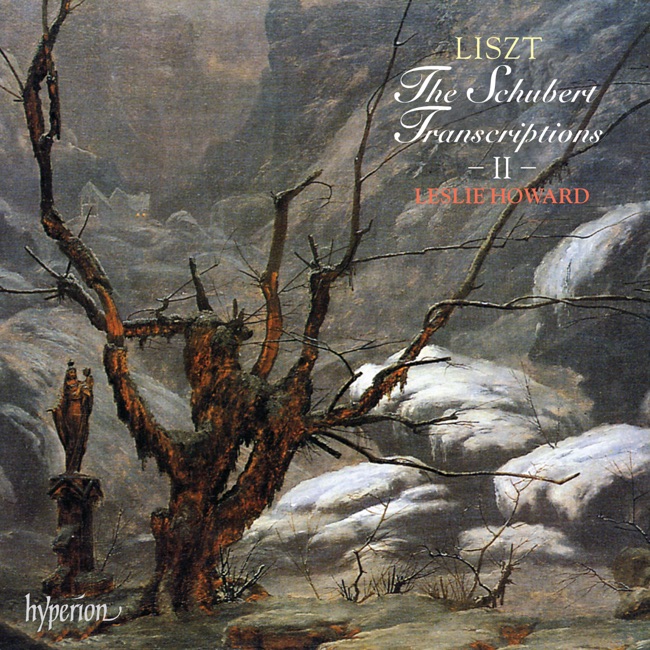
Works Info
Composer:Franz LisztGenre:KeyboardStyle:KeyboardCompose Date:1840Publication Date:1841Average_duration:16:51Movement_count:4Movement ....Franz Schubert's Geistliche Lieder (4) (after Rosamunde), S. 562 is a composition by Franz Liszt, based on four sacred songs by Franz Schubert. The piece was composed in 1860 and premiered in the same year in Weimar, Germany. The four movements of the piece are based on Schubert's songs "Die Allmacht," "Litanei auf das Fest Allerseelen," "Gebet" and "Der Hirt auf dem Felsen." The first movement, "Die Allmacht," is a powerful and dramatic piece that showcases Liszt's virtuosic piano technique. The piece begins with a thunderous introduction that sets the tone for the rest of the movement. The main theme is based on Schubert's original melody, but Liszt adds his own flourishes and embellishments to create a more complex and intricate piece. The second movement, "Litanei auf das Fest Allerseelen," is a more subdued and introspective piece. The melody is simple and haunting, and Liszt's arrangement emphasizes the melancholic and mournful qualities of the original song. The piece is marked by Liszt's use of delicate and intricate ornamentation, which adds to the overall sense of sadness and longing. The third movement, "Gebet," is a beautiful and serene piece that showcases Liszt's ability to create a sense of peace and tranquility through his music. The melody is simple and repetitive, but Liszt's arrangement adds depth and complexity to the piece. The use of arpeggios and other decorative elements creates a sense of movement and flow, while the overall mood of the piece is one of calm and serenity. The final movement, "Der Hirt auf dem Felsen," is a lively and energetic piece that showcases Liszt's ability to create a sense of excitement and joy through his music. The piece is based on a Schubert song that features a clarinet solo, and Liszt's arrangement adds a piano accompaniment that is both supportive and virtuosic. The piece is marked by Liszt's use of rapid arpeggios and other technical elements, which create a sense of energy and excitement. Overall, Franz Schubert's Geistliche Lieder (4) (after Rosamunde), S. 562 is a beautiful and complex piece that showcases Liszt's ability to take existing music and transform it into something new and exciting. The piece is marked by Liszt's virtuosic piano technique, his use of intricate ornamentation, and his ability to create a range of moods and emotions through his music.More....
Works Music
Released Music
1
4:45
2
Franz Schubert's Geistliche Lieder (4) (after Rosamunde), p. 562
I. Litaney auf das Fest aller Seelen
3:26
3
3:5
4
6:23
5
Franz Schubert's Geistliche Lieder (4) (after Rosamunde), p. 562
No. 1 Auf Das Fest Aller Seele
3:30
9
Franz Schubert's Geistliche Lieder (4) (after Rosamunde), p. 562
No. 1, "Am tage Aller Seelen" (Litaney), D343
4:5
10
4:38