Ludwig van Beethoven
String Quartet movement in B minor
Released Album
Recent Album

Works Info
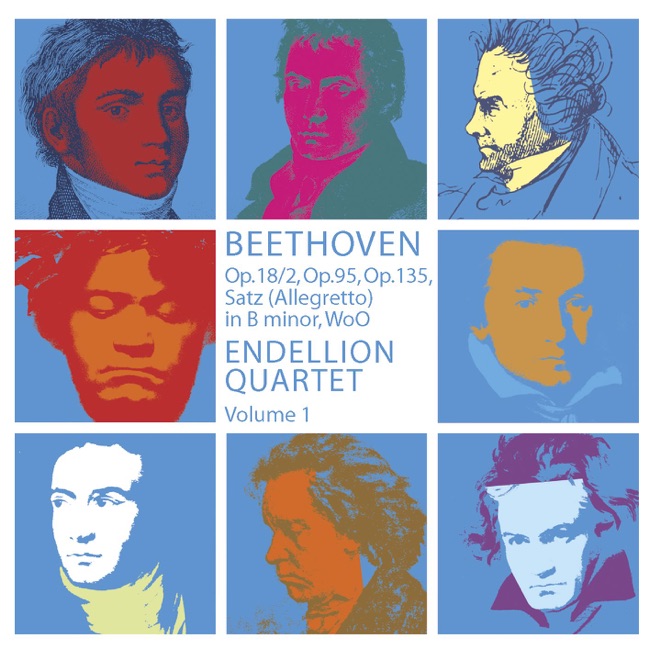
Composer:Ludwig van BeethovenGenre:ChamberStyle:Chamber MusicCompose Date:Nov 28, 1817First Performance:1999Average_duration:0:40Ludwig van Beethoven's String Quartet No. 10 in E-flat major, Op. 74, also known as the "Harp" quartet, was composed in 1809 and premiered in Vienna in 1810. However, the String Quartet Movement in B minor, WoO 32, was composed much earlier, around 1817, and was not premiered until after Beethoven's death in 1827. The String Quartet Movement in B minor is a single movement work that lasts approximately 11 minutes. It is written for two violins, viola, and cello, and is characterized by its intense emotional expression and technical demands on the performers. The work is in sonata form, with a slow introduction that sets the mood for the rest of the piece. The first theme is introduced by the first violin, and is characterized by its descending chromatic line. The second theme is more lyrical and is introduced by the second violin. The development section is marked by its use of counterpoint and the exploration of the themes in new and unexpected ways. The recapitulation brings back the first and second themes, but with some variations and modifications. One of the most striking features of the String Quartet Movement in B minor is its use of dynamic contrasts and sudden shifts in mood. The work moves from moments of intense passion to moments of quiet introspection, and the performers must be able to navigate these changes with precision and sensitivity. Overall, the String Quartet Movement in B minor is a powerful and emotionally charged work that showcases Beethoven's mastery of the string quartet genre. Despite its relatively short length, it is a challenging and rewarding piece for both performers and listeners alike.More....
Works Music
Released Music