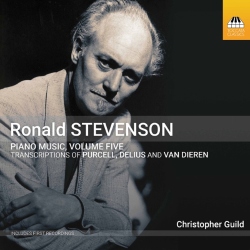
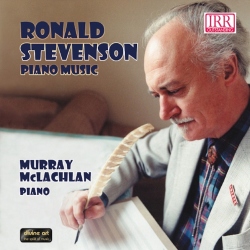
Ronald Stevenson
The Queen's Dolour (A farewell) (after Purcell)
Released Album
Recent Album

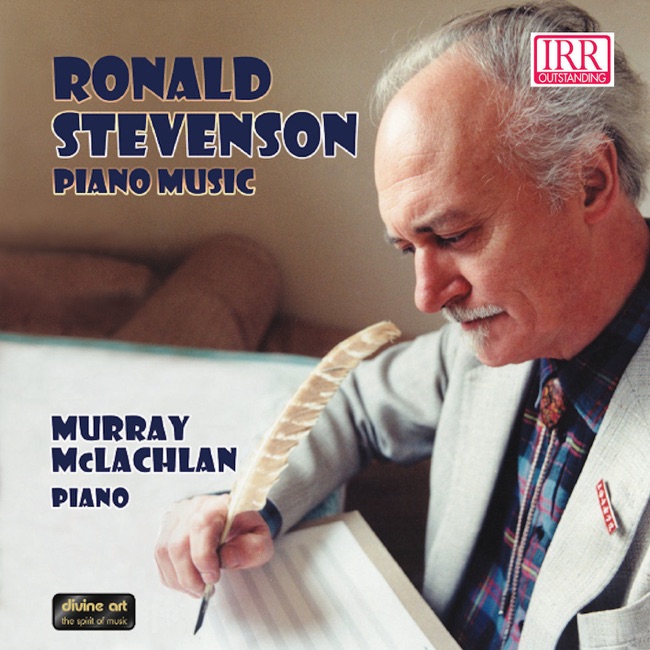
Works Info
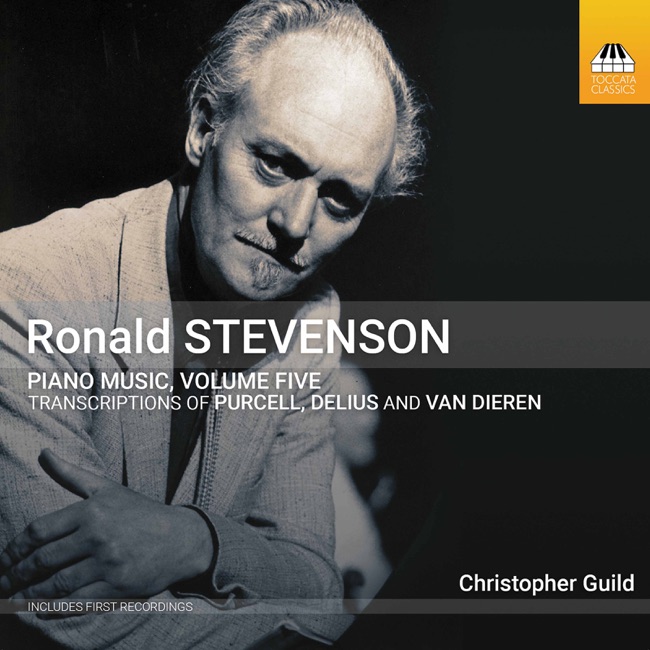
Composer:Ronald StevensonGenre:KeyboardCompose Date:1959Average_duration:4:07Ronald Stevenson's "The Queen's Dolour (A farewell) (after Purcell)" is a composition for solo piano that was composed in 1995. The piece was premiered by the composer himself on October 28, 1995, at the Royal Scottish Academy of Music and Drama in Glasgow. The composition is divided into three movements, each of which is based on a theme from Henry Purcell's "Dido's Lament" from his opera "Dido and Aeneas." The first movement, "The Queen's Dolour," is a slow and mournful piece that captures the sadness and grief of Queen Dido as she bids farewell to her lover Aeneas. The second movement, "The Queen's Farewell," is a more upbeat and lively piece that reflects the queen's determination to move on from her heartbreak. The final movement, "The Queen's Epicedium," is a slow and somber piece that brings the composition to a close with a sense of finality and resignation. Stevenson's composition is characterized by its use of complex harmonies and intricate counterpoint, which give the piece a rich and layered sound. The composer also employs a variety of pianistic techniques, such as arpeggios, trills, and tremolos, to create a sense of depth and texture in the music. Overall, "The Queen's Dolour (A farewell) (after Purcell)" is a powerful and emotional tribute to one of the most iconic pieces of music in the classical repertoire. Stevenson's skillful adaptation of Purcell's themes and his own unique compositional style make this piece a must-hear for fans of classical piano music.More....
Works Music
Released Music