Luigi Boccherini
String Quartet (6), G. 207-12, Op. 33
Released Album
Recent Album
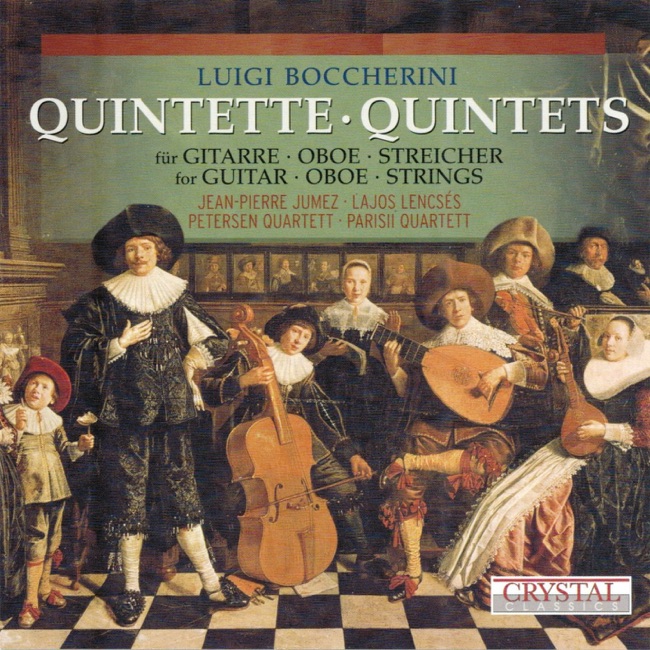

Featured Album
Works Info
Composer:Luigi BoccheriniGenre:ChamberStyle:QuartetCompose Date:1781Publication Date:1958Average_duration:58:02Luigi Boccherini's String Quartet (6), G. 207-12, Op. 33, is a set of six string quartets composed in 1781. The set was dedicated to King Friedrich Wilhelm II of Prussia, who was a cellist and a patron of the arts. The quartets were premiered in Berlin in 1782, with the composer himself playing the cello part. The six quartets are each composed of four movements, with the exception of the fifth quartet, which has five movements. The movements are typically fast-slow-minuet-fast, with occasional variations. The quartets are written for two violins, viola, and cello, and showcase Boccherini's mastery of the string quartet form. The first quartet in the set, in B-flat major, is characterized by its lively and energetic first movement, which features a driving rhythm and virtuosic passages for all four instruments. The second movement is a lyrical and expressive adagio, while the third movement is a graceful minuet. The quartet concludes with a lively and playful finale. The second quartet, in E-flat major, is notable for its beautiful and expressive slow movement, which features a soaring melody for the first violin. The third movement is a lively and dance-like minuet, while the fourth movement is a virtuosic and energetic finale. The third quartet, in D major, is characterized by its bright and sunny disposition, with a lively and energetic first movement and a graceful and elegant second movement. The third movement is a playful and charming minuet, while the fourth movement is a lively and virtuosic finale. The fourth quartet, in C major, is notable for its beautiful and expressive slow movement, which features a lyrical and expressive melody for the first violin. The third movement is a lively and dance-like minuet, while the fourth movement is a virtuosic and energetic finale. The fifth quartet, in A major, is the most complex and varied of the set, with five movements instead of the usual four. The first movement is a lively and energetic allegro, while the second movement is a lyrical and expressive adagio. The third movement is a graceful and elegant minuet, while the fourth movement is a virtuosic and energetic scherzo. The quartet concludes with a lively and playful finale. The sixth and final quartet, in G major, is characterized by its bright and sunny disposition, with a lively and energetic first movement and a graceful and elegant second movement. The third movement is a playful and charming minuet, while the fourth movement is a lively and virtuosic finale. Overall, Boccherini's String Quartet (6), G. 207-12, Op. 33, is a masterful set of string quartets that showcase the composer's skill and creativity. The quartets are characterized by their lively rhythms, expressive melodies, and virtuosic passages, and are a testament to Boccherini's enduring legacy as one of the greatest composers of the classical era.More....
Works Music
Released Music

Featured Music