Johann Sebastian Bach
Alle Menschen müssen sterben (II), BWV 1117
Released Album
Recent Album

Featured Album

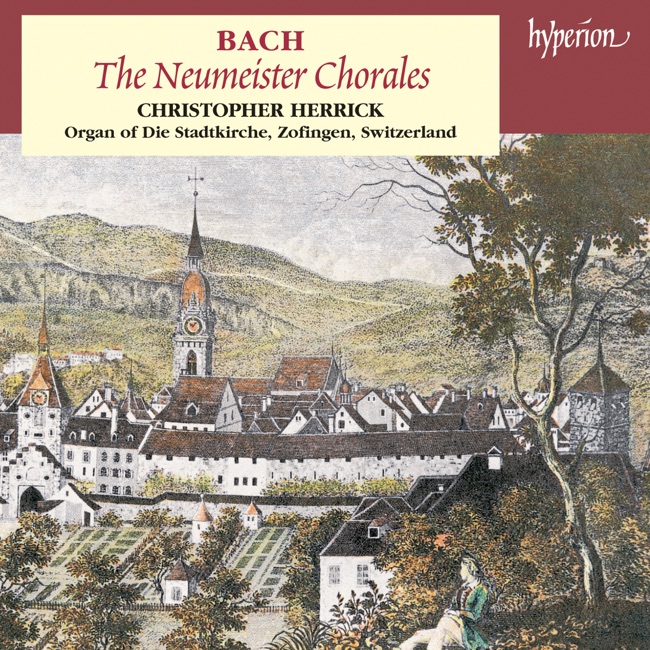
Works Info
Composer:Johann Sebastian BachGenre:KeyboardStyle:Chorale PreludeCompose Date:before 1710Average_duration:2:11'Alle Menschen müssen sterben (II), BWV 1117' is a sacred cantata composed by Johann Sebastian Bach. The piece was composed in Leipzig, Germany, in 1725. The cantata was premiered on the 16th Sunday after Trinity, which fell on September 29, 1725, at the St. Nicholas Church in Leipzig. The cantata consists of four movements, each with its own unique characteristics. The first movement is a chorale, which sets the tone for the entire piece. The second movement is a recitative, which features a soloist singing a text that reflects on the inevitability of death. The third movement is an aria, which features a soloist singing a text that reflects on the hope of eternal life. The final movement is a chorale, which brings the piece to a close with a message of hope and comfort. The cantata is characterized by its use of counterpoint, which is a technique that involves the interweaving of multiple melodies. Bach was a master of counterpoint, and he used it extensively in this piece to create a rich and complex texture. The cantata also features a variety of instrumental accompaniment, including strings, oboes, and continuo. Overall, 'Alle Menschen müssen sterben (II), BWV 1117' is a powerful and moving piece of music that reflects on the inevitability of death and the hope of eternal life. Bach's masterful use of counterpoint and instrumental accompaniment creates a rich and complex texture that adds depth and meaning to the text. The piece remains a beloved work of sacred music to this day, and it continues to inspire and uplift listeners around the world.More....
Works Music
Released Music
2
2:39
3
1:46
4
2:31

7
2:12
8
2:14
9
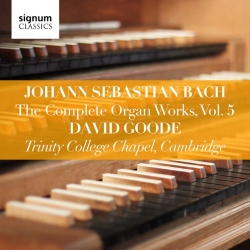
2:1
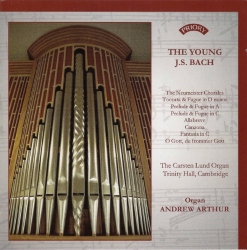
Featured Music