Scottish Traditional
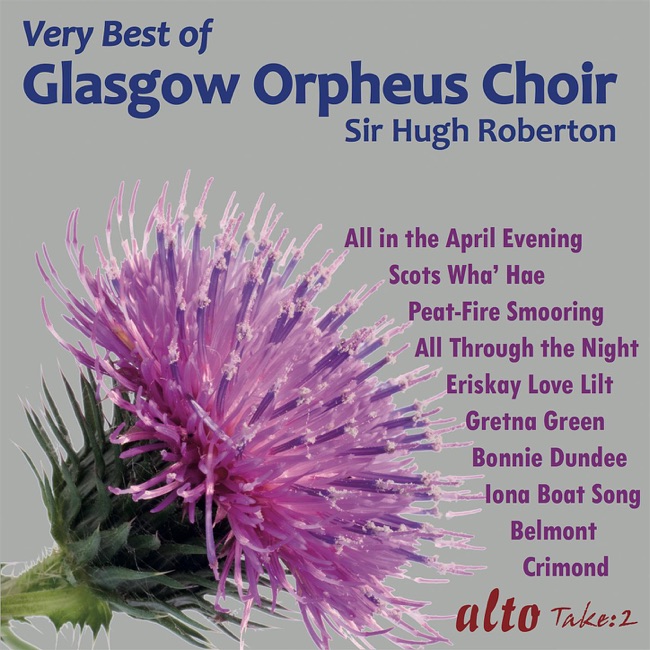
Scots wha hae
Released Album
Recent Album
Works Info
Composer:Scottish TraditionalGenre:VocalStyle:Vocal MusicAverage_duration:2:08"Scots wha hae" is a traditional Scottish song that was composed in the late 18th century by an unknown author. The song was written to commemorate the victory of the Scottish army led by Robert the Bruce over the English army at the Battle of Bannockburn in 1314. The song has since become an unofficial national anthem of Scotland and is often played at important Scottish events. The song was first published in 1793 in the Edinburgh Magazine and was later included in the collection of Scottish songs called "The Melodies of Scotland" in 1821. The song has been performed by many Scottish musicians and has been adapted into various forms, including a choral arrangement by the composer Felix Mendelssohn. "Scots wha hae" is a stirring and patriotic song that celebrates the bravery and resilience of the Scottish people. The song is composed of three verses and a chorus, with each verse describing a different aspect of the Scottish character. The first verse describes the Scottish people as "sons of Wallace" and "heirs of Bruce," referencing the two most famous Scottish heroes who fought for Scottish independence. The second verse describes the Scottish people as "stern and wild" and "rugged and bare," highlighting their toughness and resilience in the face of adversity. The third verse describes the Scottish people as "freedom's sword" and "shield," emphasizing their commitment to liberty and independence. The chorus of the song is a call to arms, urging the Scottish people to rise up and fight for their freedom. The chorus is sung in a rousing and energetic manner, with the words "Scots wha hae" repeated several times to create a sense of unity and solidarity among the Scottish people. Overall, "Scots wha hae" is a powerful and emotive song that captures the spirit of Scottish nationalism and pride. Its stirring melody and powerful lyrics have made it a beloved and enduring symbol of Scottish identity and heritage.More....