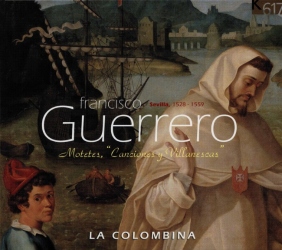
Francisco Guerrero
Quasi cedrus
Released Album
Recent Album
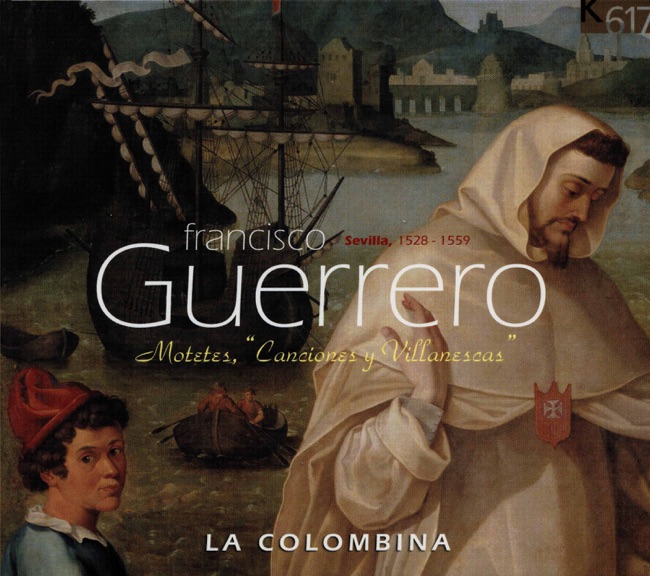
Works Info
Composer:Francisco GuerreroGenre:VocalStyle:Vocal MusicAverage_duration:4:51"Quasi cedrus" is a choral work composed by Francisco Guerrero, a Spanish composer of the Renaissance period. The piece was composed in the late 16th century, around 1580, and was premiered in Seville, Spain. It is a sacred motet, written for four voices, and is considered one of Guerrero's most famous works. The piece is divided into three movements, each with its own distinct characteristics. The first movement is marked "Allegro," and is characterized by its lively tempo and rhythmic complexity. The voices weave in and out of each other, creating a rich tapestry of sound. The second movement is marked "Adagio," and is much slower and more contemplative. The voices are more homophonic in this section, with the melody moving in unison across the different parts. The final movement is marked "Allegro," and is a return to the lively tempo of the first movement. The voices are once again more polyphonic, with each part contributing to the overall texture of the piece. One of the most striking characteristics of "Quasi cedrus" is its use of dissonance. Guerrero was known for his bold use of dissonance, and this piece is no exception. The dissonances are often resolved in unexpected ways, creating a sense of tension and release that is both dramatic and satisfying. Another characteristic of the piece is its use of word painting. Guerrero was a master of using music to convey the meaning of the text, and "Quasi cedrus" is no exception. The text speaks of the righteous flourishing like a cedar tree, and Guerrero uses the music to create a sense of growth and strength. Overall, "Quasi cedrus" is a masterful example of Renaissance choral music. Its complex rhythms, bold use of dissonance, and skillful word painting make it a timeless piece that continues to be performed and admired today.More....
Works Music