William Corkine
Away, call bach what you have said
Released Album
Recent Album
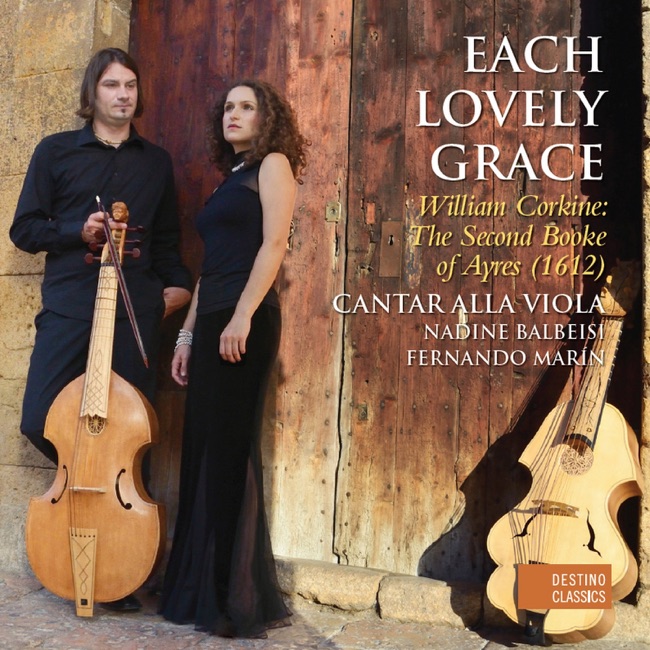

Works Info
Composer:William CorkineAverage_duration:1:29"Away, call back what you have said" is a popular English song composed by William Corkine in the early 17th century. The song was first published in 1610 in Corkine's collection of songs titled "Ayres, to Sing and Play to the Lute and Base Viol." The song is a lute song, which was a popular genre of music in the Renaissance period. It is composed in the key of G major and has a simple and catchy melody. The song is written in a strophic form, which means that the same melody is repeated for each verse. The lyrics of the song are about a lover who regrets the harsh words he has spoken to his beloved and wishes to take them back. The opening lines of the song are "Away, call back what you have said, be not so hard-hearted." The song expresses the theme of love and forgiveness, which was a common theme in Renaissance poetry and music. The song has three movements, each with a different melody. The first movement is the main melody, which is repeated for each verse. The second movement is a short instrumental interlude played on the lute. The third movement is a variation of the main melody, which is played at the end of the song. The characteristics of the song are typical of the lute song genre. The melody is simple and easy to sing, with a clear and memorable tune. The lyrics are in English and express a simple and direct message. The song is accompanied by a lute, which provides a gentle and soothing background to the singing. Overall, "Away, call back what you have said" is a beautiful example of English Renaissance music. Its simple melody and heartfelt lyrics have made it a popular song for centuries, and it continues to be performed and enjoyed by musicians and audiences today.More....
Works Music
Released Music