Magnus Lindberg
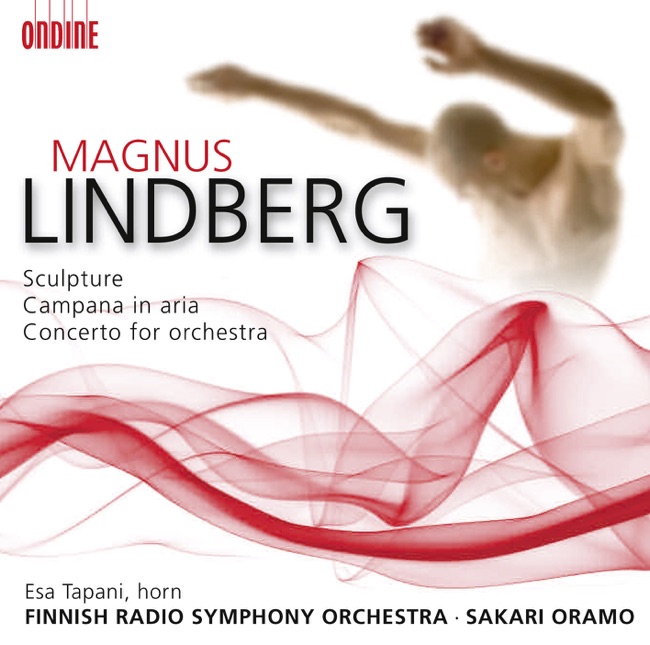
Concerto for orchestra
Released Album
Recent Album
Works Info
Composer:Magnus LindbergGenre:ConcertoStyle:ConcertoCompose Date:2003Average_duration:29:58Magnus Lindberg's Concerto for Orchestra is a contemporary classical composition that premiered on October 19, 2003, at the Helsinki Music Centre in Finland. The piece is divided into four movements, each with its own distinct character and musical language. The first movement, titled "Prelude," begins with a slow and mysterious introduction that gradually builds in intensity. The music is characterized by complex rhythms and harmonies, with the orchestra divided into smaller groups that interact with each other in intricate ways. The movement ends with a sudden burst of energy that leads directly into the second movement. The second movement, "Scherzo," is a lively and playful dance that features a wide range of instrumental colors and textures. The music is full of rhythmic energy and syncopation, with the different sections of the orchestra engaging in a lively dialogue. The movement ends with a sudden and unexpected silence. The third movement, "Adagio," is a slow and contemplative piece that features a haunting melody played by the strings. The music is characterized by a sense of introspection and reflection, with the different sections of the orchestra taking turns to express their own thoughts and emotions. The movement ends with a quiet and peaceful resolution. The final movement, "Finale," is a fast and energetic piece that brings the concerto to a thrilling conclusion. The music is characterized by its driving rhythms and virtuosic instrumental writing, with the different sections of the orchestra engaging in a frenzied dance. The movement ends with a triumphant and exhilarating coda. Overall, Lindberg's Concerto for Orchestra is a complex and challenging work that showcases the composer's mastery of orchestration and musical form. The piece is characterized by its intricate rhythms, complex harmonies, and virtuosic instrumental writing, and it demands a high level of technical skill and musical sensitivity from the performers. Despite its modernist language, the concerto is accessible and engaging, and it has become a popular work in the contemporary classical repertoire.More....
Works Music