Conlon Nancarrow
Study for Player Piano No. 28
Released Album
Recent Album
Works Info
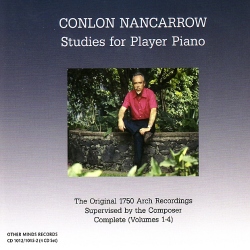
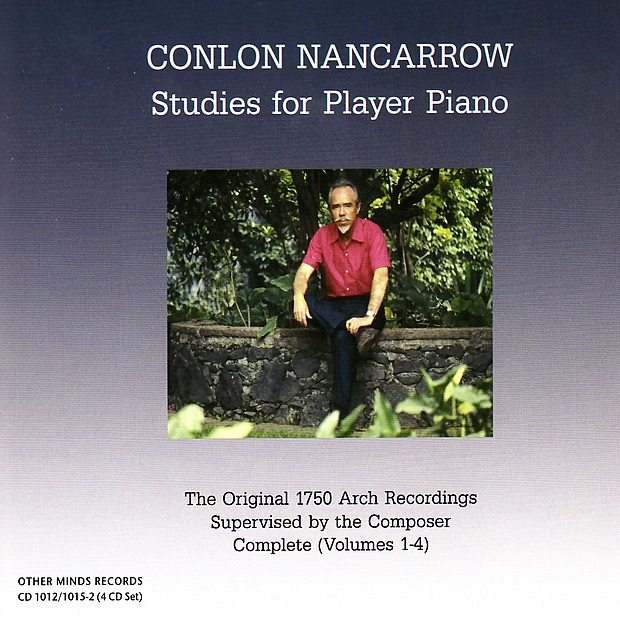
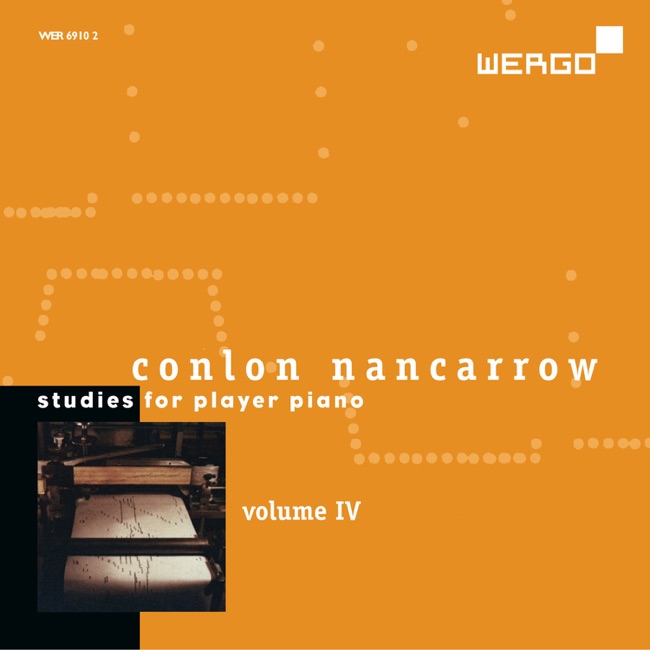
Composer:Conlon NancarrowGenre:KeyboardStyle:KeyboardCompose Date:ca. 1948 - 1960Average_duration:4:01Conlon Nancarrow's 'Study for Player Piano No. 28' is a composition that was created in the year 1980. The piece was premiered in the same year in Mexico City. The composition is a part of Nancarrow's larger body of work, which is known for its complex rhythms and intricate polyphonic structures. The 'Study for Player Piano No. 28' is divided into three movements, each of which explores different musical ideas. The first movement is characterized by a fast and frenetic tempo, with the piano playing a series of rapid-fire notes that create a sense of urgency and intensity. The second movement is slower and more contemplative, with the piano playing a series of chords that create a sense of space and openness. The third movement returns to the fast and frenetic tempo of the first movement, with the piano playing a series of complex rhythms and polyphonic structures that build to a climactic finish. One of the defining characteristics of Nancarrow's work is his use of the player piano, a mechanical instrument that can play pre-programmed music without the need for a human performer. Nancarrow was drawn to the player piano because it allowed him to create complex rhythms and polyphonic structures that would be impossible for a human performer to play. He spent much of his career experimenting with the player piano, creating compositions that pushed the limits of what was possible with the instrument. Overall, the 'Study for Player Piano No. 28' is a testament to Nancarrow's innovative approach to composition and his willingness to push the boundaries of what was possible with music. The piece is a complex and challenging work that demands a high level of technical skill from the performer, but it is also a deeply rewarding and engaging listening experience for those who are willing to take the time to explore its intricate rhythms and polyphonic structures.More....
Works Music