Girolamo Crescentini
Languir d'amore
Released Album
Recent Album
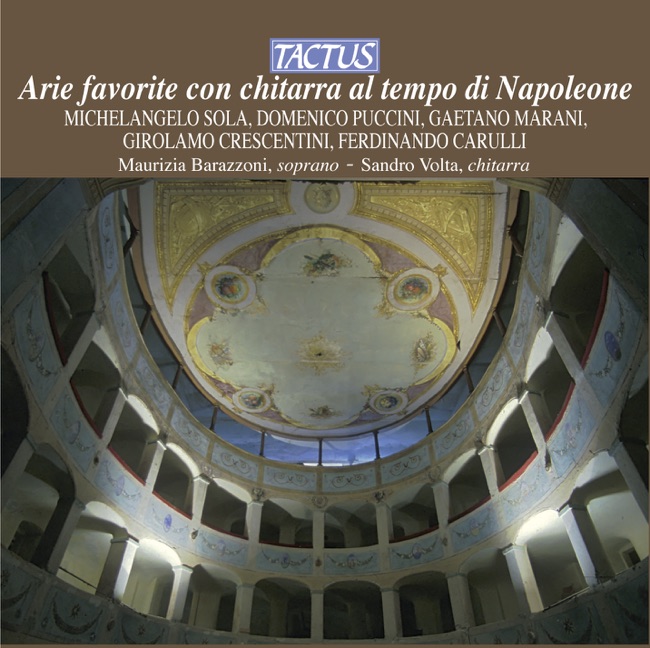
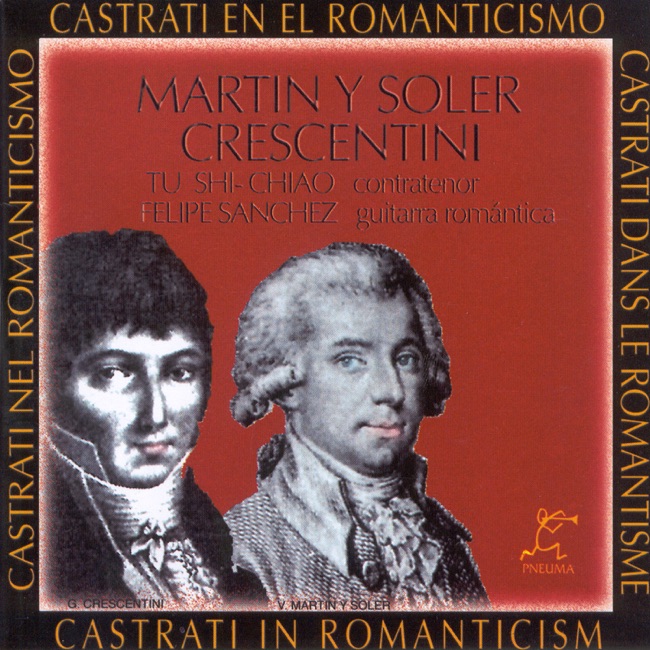
Works Info
Composer:Girolamo CrescentiniGenre:VocalStyle:Vocal MusicAverage_duration:2:51Girolamo Crescentini was an Italian composer and singer who lived from 1766 to 1846. He was known for his vocal range and virtuosity, and his compositions were popular in the early 19th century. One of his most famous works is "Languir d'amore," a song that showcases his vocal abilities and emotional depth. "Languir d'amore" was composed in the early 1800s, although the exact date is unknown. It was likely written for Crescentini's own performances, as he was known for incorporating his own compositions into his concerts. The song was premiered in Italy, where Crescentini was based for much of his career. The song is divided into three movements, each with its own distinct character. The first movement is slow and mournful, with a simple melody that emphasizes the lyrics. The second movement is faster and more energetic, with a more complex melody that showcases Crescentini's vocal range. The third movement returns to the slower tempo of the first, but with a more elaborate melody that builds to a dramatic climax. The lyrics of "Languir d'amore" are in Italian, and they express the pain and longing of unrequited love. The first verse sets the tone for the rest of the song: "Languir d'amore, e di dolore / È il mio destino in questo mondo / E se mi struggo, e se mi moro / Non ha pietà chi m'ha ferito." (To languish in love and pain / Is my fate in this world / And if I waste away, and if I die / There is no mercy from the one who has wounded me.) Throughout the song, Crescentini's vocal performance is the centerpiece. He uses a variety of techniques to convey the emotions of the lyrics, including vibrato, trills, and dynamic changes. The song is a showcase for his virtuosity as a singer, and it was likely a popular choice for his concerts. Overall, "Languir d'amore" is a beautiful and emotional song that showcases Girolamo Crescentini's talents as a composer and singer. Its popularity in the early 19th century is a testament to its enduring appeal, and it remains a beloved piece of music today.More....
Works Music