Clara Wieck Schumann
Oh Weh des Scheidens
Released Album
Recent Album
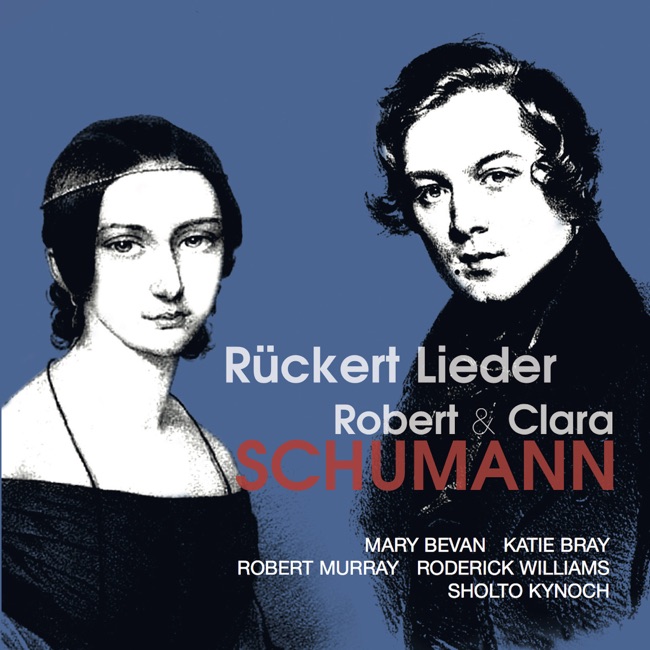

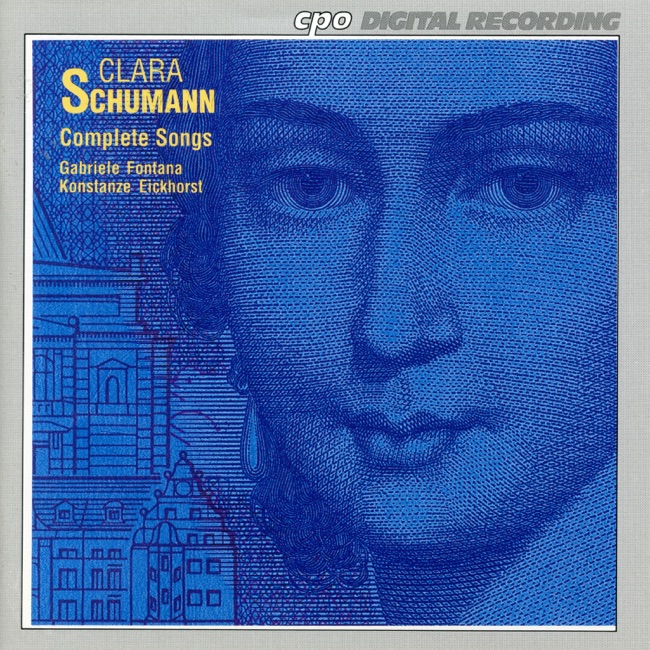
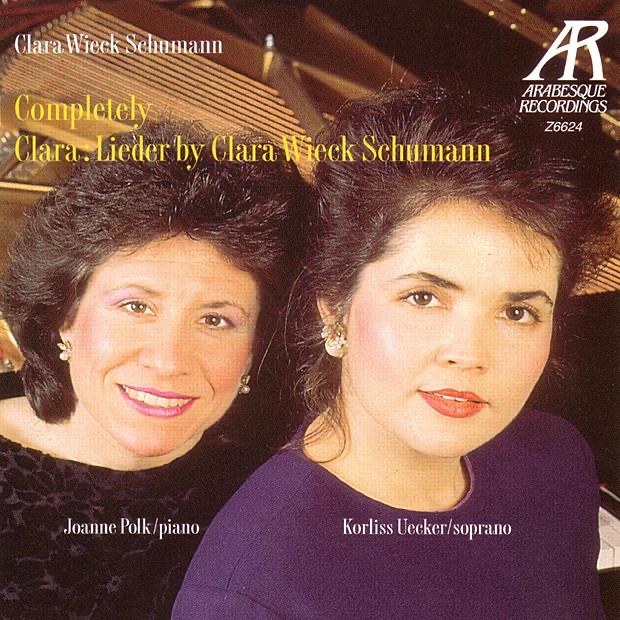
Works Info
Composer:Clara Wieck SchumannGenre:VocalStyle:SongCompose Date:Jun 1843Publication Date:1990Average_duration:2:20"Oh Weh des Scheidens" is a vocal work composed by Clara Wieck Schumann, a German pianist and composer, in 1841. The piece was premiered in Leipzig, Germany, on January 25, 1842, with Clara herself performing the piano accompaniment. The work is a setting of a poem by Friedrich Rückert, which tells the story of a woman who is lamenting the loss of her lover. The poem is divided into three stanzas, each of which is set to music in a different movement. The first movement is marked "Andante con moto" and is in the key of A minor. It begins with a mournful piano introduction, which sets the tone for the entire piece. The vocal line enters with the first stanza of the poem, sung in a recitative style. The melody is simple and understated, allowing the words to take center stage. The movement ends with a return to the piano introduction, which fades away into silence. The second movement is marked "Allegro vivace" and is in the key of A major. It is a stark contrast to the first movement, with a lively and energetic melody. The vocal line is more melodic, with a clear and bright tone. The second stanza of the poem is set to this movement, which speaks of the joy and happiness that the woman once felt with her lover. The final movement is marked "Andante" and is in the key of A minor. It is a return to the mournful tone of the first movement, with a simple and understated melody. The final stanza of the poem is set to this movement, which speaks of the woman's despair and sorrow at the loss of her lover. The movement ends with a return to the piano introduction, which fades away into silence once again. Overall, "Oh Weh des Scheidens" is a poignant and emotional work that showcases Clara Wieck Schumann's skill as a composer. The piece is characterized by its simple and understated melodies, which allow the words of the poem to take center stage. The work is a testament to Clara's ability to convey complex emotions through music, and it remains a beloved piece in the vocal repertoire to this day.More....