Conlon Nancarrow
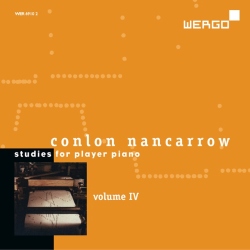
Study for Player Piano No. 11
Released Album
Recent Album
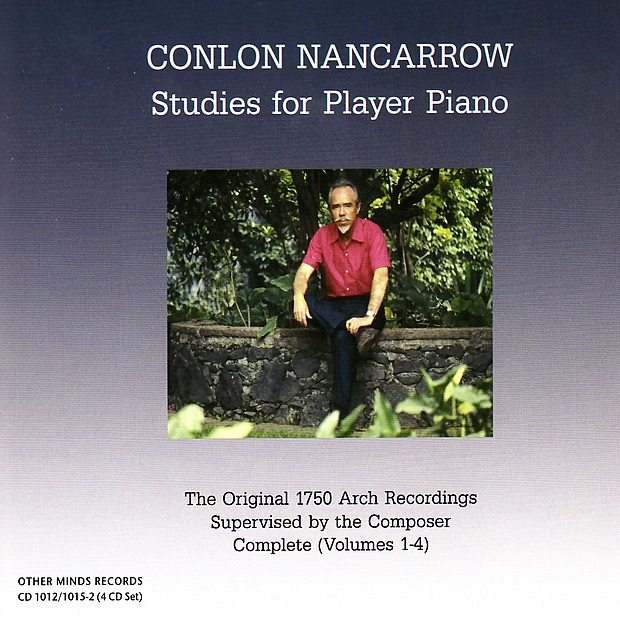
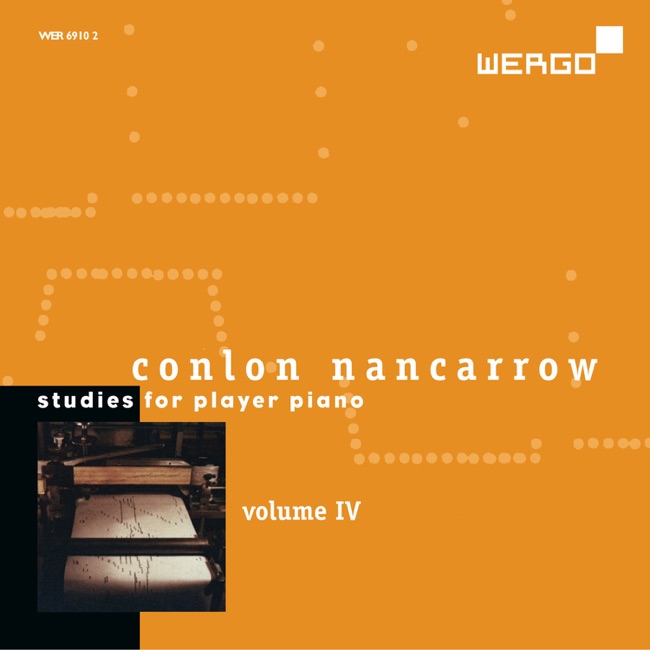
Featured Album


Works Info
Composer:Conlon NancarrowGenre:KeyboardStyle:EtudeCompose Date:ca. 1948 - 1960Average_duration:3:45Conlon Nancarrow's 'Study for Player Piano No. 11' is a composition that was created in 1956. It was premiered in 1962 at the Festival of Contemporary Arts in San Francisco. The piece is divided into three movements, each with its own unique characteristics. The first movement of 'Study for Player Piano No. 11' is marked by its frenetic pace and complex rhythms. The player piano is used to create a dense texture of sound, with multiple layers of notes played simultaneously. The tempo is constantly changing, with sudden shifts in speed that add to the sense of chaos and unpredictability. The second movement is more subdued, with a slower tempo and a more contemplative mood. The player piano is used to create a series of repeating patterns, with subtle variations introduced over time. The overall effect is hypnotic and meditative, with a sense of timelessness that is both calming and unsettling. The final movement of 'Study for Player Piano No. 11' is marked by its explosive energy and virtuosic playing. The player piano is used to create a series of rapid-fire runs and arpeggios, with the notes cascading down the keyboard in a dizzying display of technical prowess. The tempo is fast and unrelenting, with no pauses or breaks in the action. Overall, 'Study for Player Piano No. 11' is a challenging and complex composition that showcases Nancarrow's unique approach to music. By using the player piano as his instrument, he was able to create a sound that was both mechanical and organic, with a sense of precision and control that is unmatched in traditional music. The piece is a testament to Nancarrow's innovative spirit and his willingness to push the boundaries of what was possible in music.More....
Works Music
Released Music
Featured Music