


Arcangelo Corelli
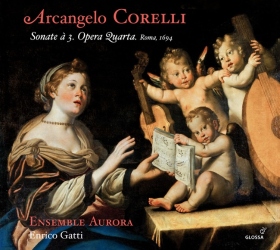
Sonate da camera a tre, for 2 violins & violone in A major, Op. 4/3
Released Album
Recent Album
Featured Album
Works Info
Composer:Arcangelo CorelliGenre:ChamberStyle:SonataPublication Date:1694Average_duration:8:23Movement_count:4Movement ....Arcangelo Corelli's 'Sonate da camera a tre, for 2 violins & violone in A major, Op. 4/3' is a chamber music piece that was composed in the late 17th century. The exact date of composition is not known, but it is believed to have been written between 1685 and 1690. The piece was first premiered in Rome, Italy, where Corelli was based at the time. The 'Sonate da camera a tre' is a three-movement work that features two violins and a violone, which is a type of bass viol. The first movement is marked "Preludio" and is in a fast tempo. It is characterized by its lively and energetic melody, which is passed between the two violins. The second movement is marked "Corrente" and is in a moderate tempo. It features a more subdued melody that is played by the violone, while the violins provide a gentle accompaniment. The final movement is marked "Giga" and is in a fast tempo. It is a lively and upbeat dance that features a playful melody that is passed between the two violins. One of the key characteristics of Corelli's 'Sonate da camera a tre' is its use of counterpoint. The piece features intricate and complex melodies that are woven together in a way that creates a rich and layered sound. Corelli was known for his mastery of counterpoint, and this piece is a prime example of his skill in this area. Another characteristic of the 'Sonate da camera a tre' is its use of ornamentation. The piece features a number of embellishments, such as trills and grace notes, that add to its overall beauty and complexity. These ornamentations are used to highlight certain parts of the melody and to add a sense of drama and excitement to the piece. Overall, Corelli's 'Sonate da camera a tre, for 2 violins & violone in A major, Op. 4/3' is a masterful work of chamber music that showcases the composer's skill in counterpoint and ornamentation. Its lively melodies and intricate harmonies make it a joy to listen to, and it remains a popular piece among classical music enthusiasts to this day.More....
Works Music
Released Music
1
4:50
2
3:44
3
4:10
Featured Music
4

Sonata da camera a tre, for 2 violins & violone in A major, Op. 4/3
Tempo di gavotta (Allegro)
1:19