


Johann Sebastian Bach
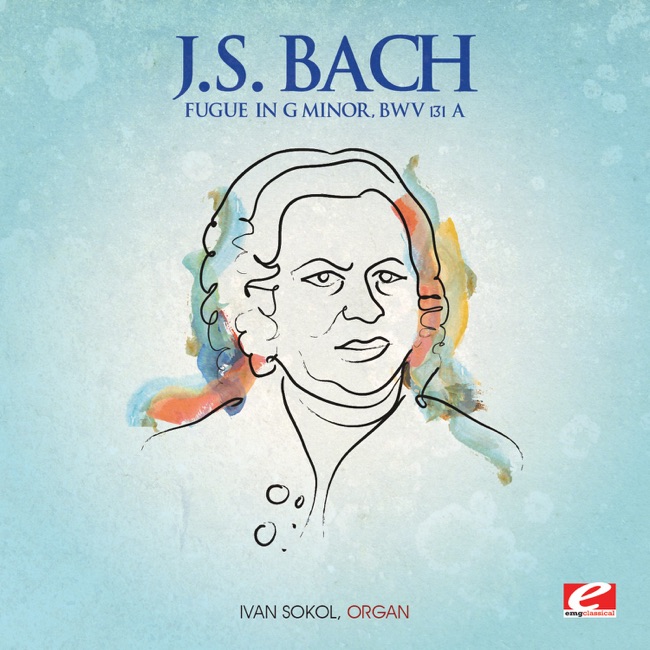
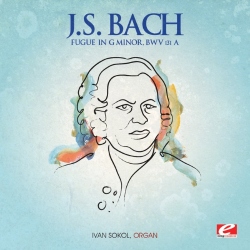
Fugue for organ in G minor, BWV 131a
Released Album
Recent Album
-
-
-
 Livio VanoniApril 19, 2021
 -
-

-
-
-
-
-
-
-
Works Info
Composer:Johann Sebastian BachGenre:KeyboardStyle:FuguePublication Date:1891Average_duration:2:51Johann Sebastian Bach's Fugue for organ in G minor, BWV 131a, is a masterpiece of Baroque music. It was composed in the early 1700s, during Bach's tenure as the court organist in Weimar, Germany. The piece is a single movement work, and it is characterized by its intricate counterpoint and virtuosic organ writing. The Fugue for organ in G minor, BWV 131a, was likely composed around 1703-1707, during Bach's early years in Weimar. It is believed to have been written as a study piece for Bach's own use, rather than for public performance. The piece was not published during Bach's lifetime, and it was only discovered in the 20th century. The Fugue for organ in G minor, BWV 131a, is a single movement work that is structured as a fugue. A fugue is a type of composition in which a main theme, or subject, is introduced and then developed through a series of imitative entries. In the case of this fugue, the subject is a short, four-note motif that is introduced at the beginning of the piece. The fugue is characterized by its intricate counterpoint, which is the art of combining multiple melodic lines in a way that creates a harmonically rich texture. Bach was a master of counterpoint, and this fugue is a prime example of his skill in this area. The piece features multiple voices that weave in and out of each other, creating a complex and intricate web of sound. The organ writing in this fugue is also virtuosic, with fast-moving lines and intricate pedal work. Bach was known for his skill as an organist, and this piece showcases his ability to write music that is both technically demanding and musically satisfying. Overall, the Fugue for organ in G minor, BWV 131a, is a masterpiece of Baroque music. Its intricate counterpoint and virtuosic organ writing make it a challenging and rewarding piece for both performers and listeners. Despite being written as a study piece, it stands as a testament to Bach's skill as a composer and his mastery of the fugue form.More....
Works Music
Released Music
2
2:32
3
2:47
5

2:52
6
2:46
10
2:47