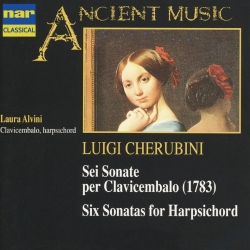
Luigi Cherubini
Harpsichord Sonata No. 4 in G major
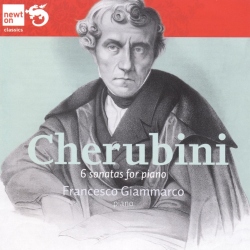
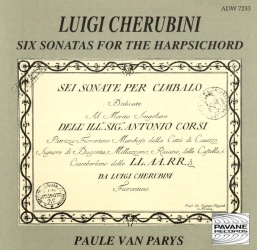
Released Album
Recent Album

Works Info
Composer:Luigi CherubiniGenre:KeyboardStyle:SonataCompose Date:1780Average_duration:11:07Luigi Cherubini's Harpsichord Sonata No. 4 in G major is a beautiful piece of music that was composed in the late 18th century. The sonata was premiered in Paris in 1783 and is considered one of Cherubini's most significant works for the harpsichord. The sonata is divided into three movements, each with its own unique characteristics. The first movement is marked Allegro and is in sonata form. It begins with a lively and energetic theme that is developed throughout the movement. The second movement is marked Andante and is a beautiful and lyrical piece that showcases the harpsichord's ability to create a delicate and expressive sound. The final movement is marked Allegro and is a lively and playful piece that brings the sonata to a joyful conclusion. One of the most notable characteristics of Cherubini's Harpsichord Sonata No. 4 is its use of counterpoint. Cherubini was a master of counterpoint, and this sonata is a perfect example of his skill in this area. The sonata is full of intricate and complex melodies that weave in and out of each other, creating a rich and layered sound. Another characteristic of the sonata is its use of ornamentation. Cherubini was known for his use of ornamentation in his music, and this sonata is no exception. The harpsichord is used to create a variety of trills, mordents, and other embellishments that add to the beauty and complexity of the music. Overall, Luigi Cherubini's Harpsichord Sonata No. 4 in G major is a beautiful and intricate piece of music that showcases the harpsichord's ability to create a rich and expressive sound. Its use of counterpoint and ornamentation make it a masterpiece of the late 18th century, and it remains a popular piece of music to this day.More....
Works Music
Released Music
5
5:9