Giovanni Zamboni
Sonata for lute No. 11a
Works Info
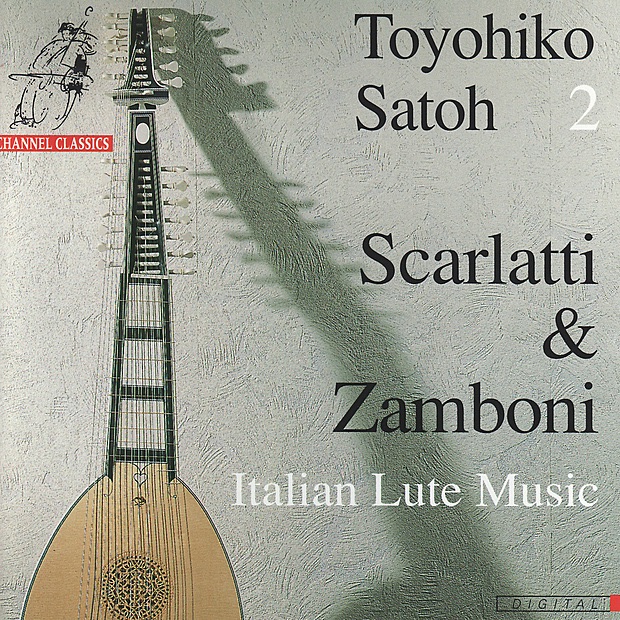
Composer:Giovanni ZamboniGenre:ChamberStyle:SonataCompose Date:1718Average_duration:17:22Giovanni Zamboni's Sonata for Lute No. 11a is a beautiful piece of music that was composed during the Baroque period. The exact date of composition is not known, but it is believed to have been written in the early 18th century. The sonata is a solo piece for the lute, which was a popular instrument during the Baroque era. The premiere of the Sonata for Lute No. 11a is also not known, but it is likely that it was performed in private settings for wealthy patrons. The piece was not widely known until the 20th century when it was rediscovered by musicologists and lute players. The Sonata for Lute No. 11a is divided into three movements. The first movement is marked Allegro and is in binary form. It begins with a lively and energetic theme that is developed throughout the movement. The second movement is marked Largo and is in ternary form. It is a slow and expressive piece that showcases the lute's ability to create beautiful and delicate melodies. The final movement is marked Allegro and is in binary form. It is a lively and joyful piece that brings the sonata to a satisfying conclusion. The Sonata for Lute No. 11a is characterized by its intricate and complex harmonies, virtuosic passages, and expressive melodies. It is a challenging piece to play, requiring a high level of technical skill and musical sensitivity. The sonata is also notable for its use of counterpoint, a technique that was popular during the Baroque era. Overall, the Sonata for Lute No. 11a is a beautiful and engaging piece of music that showcases the lute's unique sound and capabilities. It is a testament to Giovanni Zamboni's skill as a composer and his understanding of the lute as an instrument.More....