Adam de la Halle
Hareu, li maus a'amer
Released Album
Recent Album
Featured Album
Works Info
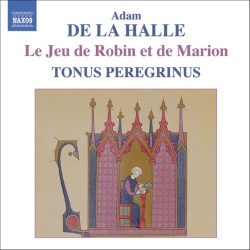
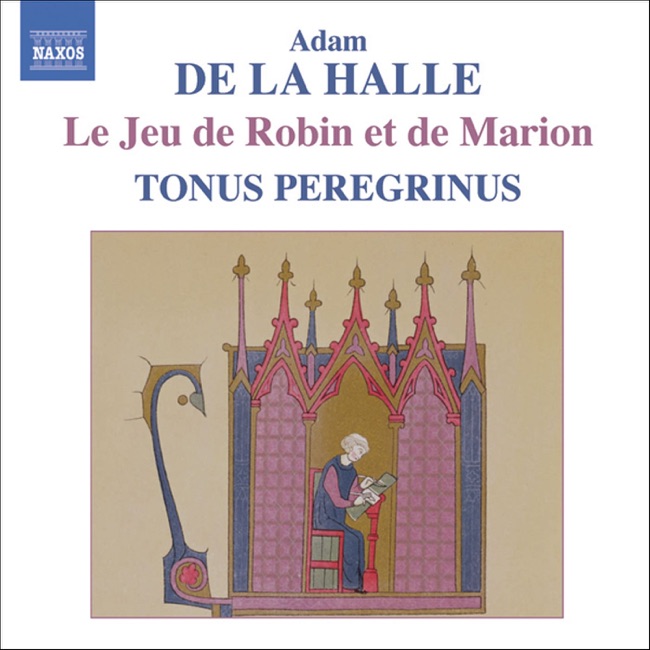
Composer:Adam de la HalleGenre:VocalStyle:RoundCompose Date:ca. 1270 - 1300Average_duration:1:25Adam de la Halle was a French poet and musician who lived in the 13th century. He is known for his chansons and jeux-partis, but his most famous work is the musical play "Le Jeu de Robin et Marion." One of the songs from this play is "Hareu, li maus a'amer," which has become a popular piece in the medieval music repertoire. The composition date of "Hareu, li maus a'amer" is uncertain, but it is believed to have been written in the early 1280s. The song was originally part of "Le Jeu de Robin et Marion," which was first performed in Arras, France in 1283. The play was a pastoral comedy that featured songs and dances, and it was a departure from the more serious religious dramas of the time. "Hareu, li maus a'amer" is a monophonic song that features a single melody line with no accompaniment. The song is in the form of a rondeau, which was a popular musical form in the Middle Ages. The rondeau consists of a refrain that is repeated throughout the song, alternating with verses that have a different melody. The song's title translates to "Alas, the bitter pain of love," and the lyrics describe the pain and suffering that comes with unrequited love. The refrain, "Hareu, li maus a'amer," is a cry of anguish that is repeated throughout the song. The verses describe the speaker's longing for their beloved and their despair at not being able to win their love. Musically, "Hareu, li maus a'amer" is characterized by its simple melody and repetitive structure. The song is sung in a plaintive, mournful style that reflects the sadness of the lyrics. The use of the rondeau form gives the song a sense of unity and coherence, with the refrain serving as a unifying element that ties the verses together. Overall, "Hareu, li maus a'amer" is a beautiful and poignant example of medieval music. Its timeless themes of love and heartbreak continue to resonate with audiences today, making it a beloved piece in the medieval music repertoire.More....
Works Music
Released Music
Featured Music