William Lawes
Fantasia-Suite for violin, bass viol & organ No. 5 in D minor
Released Album
Recent Album
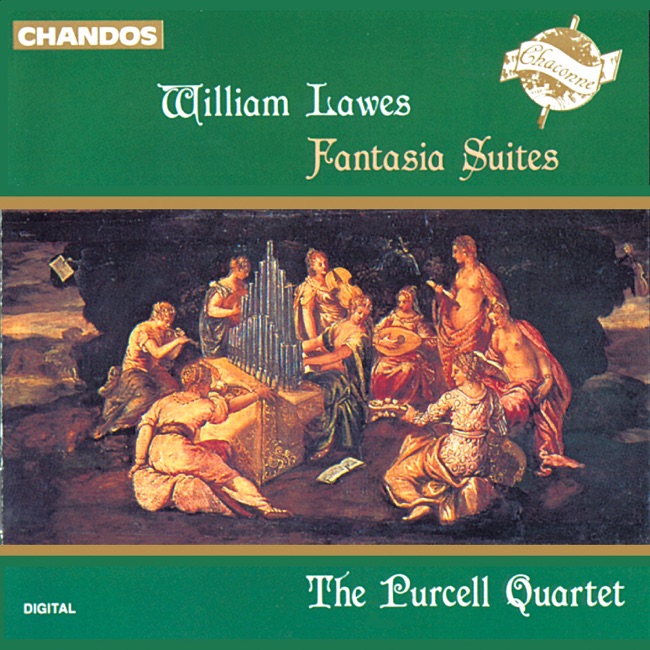
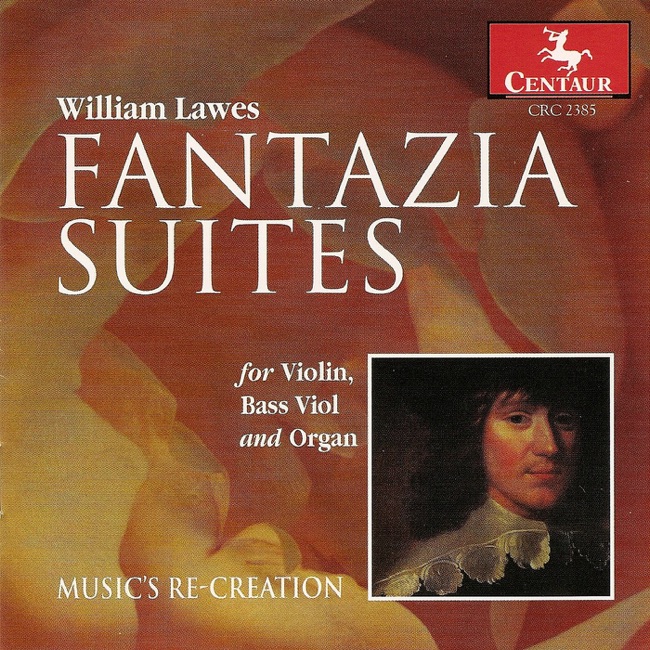
Works Info
Composer:William LawesGenre:ChamberStyle:FantasyAverage_duration:7:57Movement_count:3Movement ....Fantasia-Suite for violin, bass viol & organ No. 5 in D minor is a composition by William Lawes, a prominent English composer of the early Baroque era. The piece was composed in the mid-17th century and premiered during Lawes' lifetime. It is a six-movement suite that showcases Lawes' skill in writing for multiple instruments. The first movement of the suite is a Fantasia, which is a free-form piece that allows the composer to explore different musical ideas without adhering to a strict structure. Lawes' Fantasia is characterized by its use of imitative counterpoint, where one instrument introduces a melody that is then echoed by the other instruments. This creates a rich, layered texture that is both complex and harmonically interesting. The second movement is a Pavan, a slow, stately dance that was popular in the Renaissance and Baroque eras. Lawes' Pavan is in a minor key, which gives it a melancholic and introspective quality. The violin and bass viol take turns playing the melody, while the organ provides a steady bass line. The third movement is a Galliard, a lively dance that was often paired with the Pavan. Lawes' Galliard is in a major key, which gives it a more upbeat and joyful character. The violin and bass viol play in unison for much of the movement, creating a sense of unity and energy. The fourth movement is a Sarabande, another slow dance that was popular in the Baroque era. Lawes' Sarabande is in a minor key, which gives it a mournful and introspective quality. The violin and bass viol play the melody together, while the organ provides a simple accompaniment. The fifth movement is a Corant, a fast dance that was popular in the Baroque era. Lawes' Corant is in a major key, which gives it a lively and energetic character. The violin and bass viol play in unison for much of the movement, creating a sense of unity and momentum. The final movement is a Chaconne, a dance that was characterized by a repeating bass line. Lawes' Chaconne is in a minor key, which gives it a somber and introspective quality. The violin and bass viol take turns playing the melody, while the organ provides a steady bass line that repeats throughout the movement. Overall, Lawes' Fantasia-Suite for violin, bass viol & organ No. 5 in D minor is a complex and harmonically interesting piece that showcases Lawes' skill in writing for multiple instruments. The suite is characterized by its use of imitative counterpoint, its exploration of different dance forms, and its rich, layered texture.More....
Works Music
Released Music