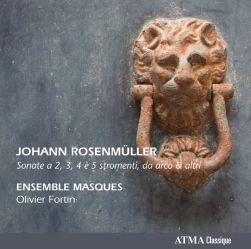
Johann Rosenmüller
Sonata No. 12 à 5 in D minor (Nürnberg 1682)
Released Album
Recent Album
Featured Album
Works Info
Composer:Johann RosenmüllerGenre:ChamberAverage_duration:4:12Johann Rosenmüller's 'Sonata No. 12 à 5 in D minor (Nürnberg 1682)' is a Baroque instrumental piece that was composed in 1682. The piece was premiered in Nürnberg, Germany, and is considered to be one of Rosenmüller's most significant works. The sonata is divided into four movements, each with its own unique characteristics. The first movement is marked by its slow and somber tone, with the use of minor keys and a melancholic melody. The second movement is more lively and upbeat, with a faster tempo and a more complex melody. The third movement is a slow and expressive adagio, with a focus on the interplay between the different instruments. The final movement is a fast and energetic allegro, with a lively melody and intricate harmonies. One of the most notable characteristics of the sonata is its use of counterpoint, a technique that was popular in Baroque music. Counterpoint involves the use of multiple melodies that are played simultaneously, creating a complex and layered sound. Rosenmüller's use of counterpoint in the sonata is particularly impressive, as he manages to weave together multiple melodies in a way that is both intricate and harmonious. Another characteristic of the sonata is its use of instrumentation. The piece is written for a five-part ensemble, consisting of two violins, two violas, and a basso continuo. This instrumentation allows for a rich and varied sound, with each instrument contributing to the overall texture of the piece. Overall, Johann Rosenmüller's 'Sonata No. 12 à 5 in D minor (Nürnberg 1682)' is a masterful example of Baroque instrumental music. Its use of counterpoint and instrumentation, combined with its complex melodies and harmonies, make it a significant work in the Baroque canon.More....
Works Music
Released Music
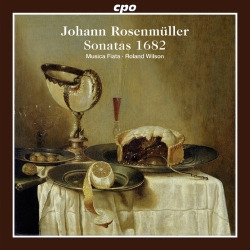
3
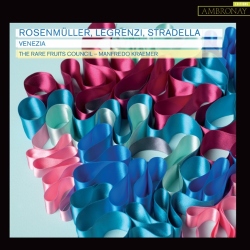
Sonata no. 12 to 5 in D minor (Nuremberg 1682)
Sonata duodecima (2 violini, 2 violette & viola da brazzo)
4:4
4
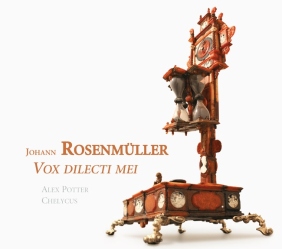
Sonata no. 12 to 5 in D minor (Nuremberg 1682)
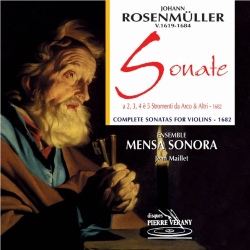
Sonata 12 (D minor) (Sonate a 2, 3, 4 è 5 Stromenti da arco & altri, Nuremberg 1682)
4:44
5
4:52
Featured Music