


Gregorian Chant
Quinque Prudentes Virgines
Released Album
Recent Album

Works Info
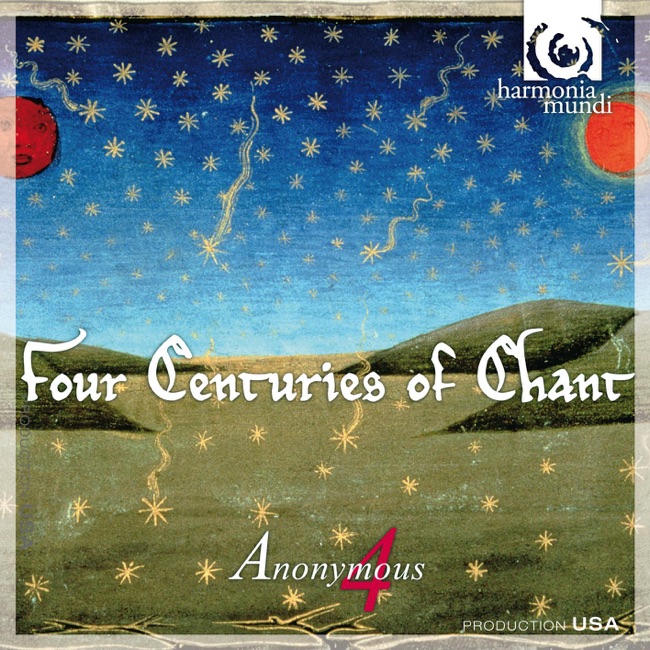
Composer:Gregorian ChantGenre:ChoralStyle:ChantAverage_duration:3:32"Quinque Prudentes Virgines" is a Gregorian chant that is believed to have been composed in the 6th century. The chant is based on the parable of the ten virgins from the Gospel of Matthew, which tells the story of five wise virgins who were prepared for the arrival of the bridegroom and five foolish virgins who were not. The chant is typically performed during the liturgical season of Advent, which is a time of preparation for the coming of Christ. It is often sung during the Office of Readings or during the procession to the altar at the beginning of Mass. "Quinque Prudentes Virgines" is divided into five movements, each of which corresponds to one of the wise virgins in the parable. The first movement is a solo chant that introduces the theme of the piece and sets the tone for the rest of the composition. The second movement is a duet between two voices, representing the first two wise virgins. The third movement is a trio, representing the next three wise virgins. The fourth movement is a quartet, representing the five wise virgins together. The final movement is a solo chant that concludes the piece. The characteristics of "Quinque Prudentes Virgines" are typical of Gregorian chant, with a simple melody and a focus on the text. The chant is sung in Latin and is characterized by its use of neumes, which are symbols that indicate the shape and direction of the melody. The chant is also notable for its use of modal harmonies, which give it a distinctive sound. Overall, "Quinque Prudentes Virgines" is a beautiful and contemplative piece of music that is deeply rooted in the liturgical tradition of the Catholic Church. Its timeless message of preparation and vigilance is as relevant today as it was when it was first composed over a thousand years ago.More....
Works Music
Released Music
2

Quinque Prudentes Virgines
Quinque Prudentes Virgines (In Paradisum - Liturgia dei Defunti e dei Santi)
3:20