Charles Avison
Concerto in 4 parts No. 1 in G major, Op. 9/1
Released Album
Recent Album
Works Info
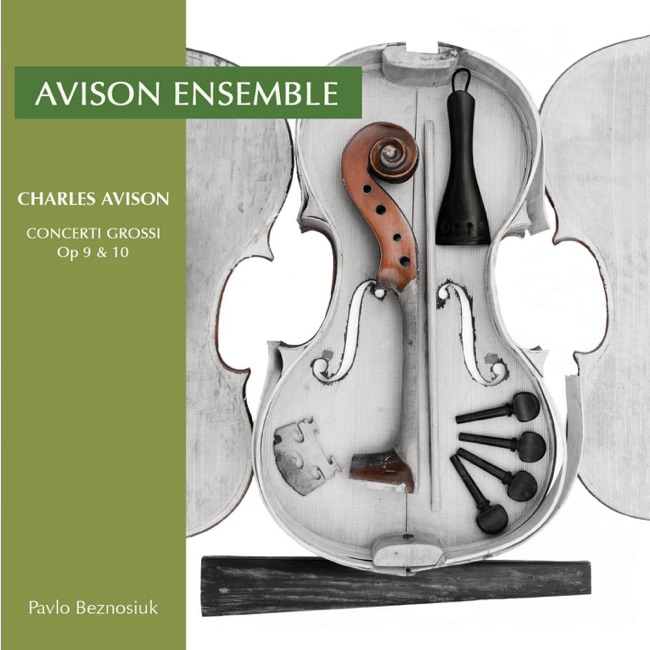
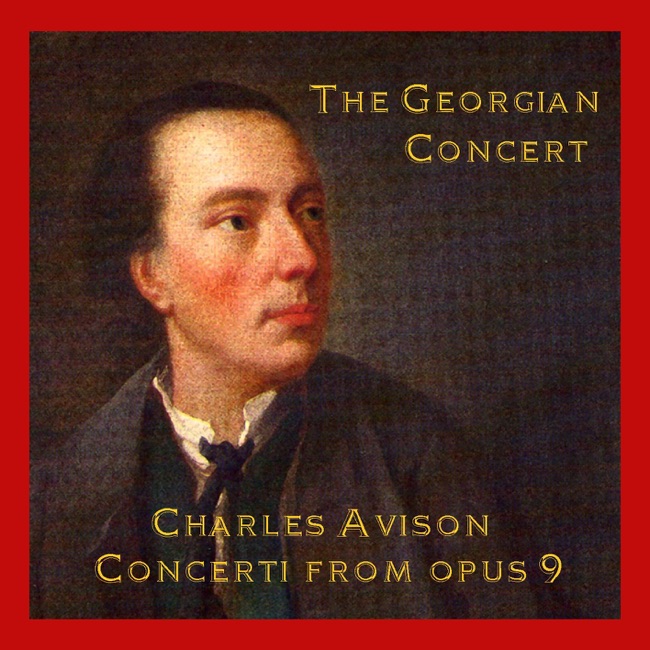
Composer:Charles AvisonGenre:ChamberStyle:Concerto GrossoCompose Date:1766Average_duration:8:52The Concerto in 4 parts No. 1 in G major, Op. 9/1, was composed by Charles Avison, an English composer and organist, in the mid-18th century. The concerto was first premiered in Newcastle upon Tyne in 1766, and it is considered one of Avison's most significant works. The concerto is divided into four movements, each with its own distinct character and style. The first movement, marked Allegro, is a lively and energetic piece that showcases Avison's skillful use of counterpoint and harmonic progression. The second movement, marked Adagio, is a slow and expressive piece that features a beautiful melody played by the solo violin. The third movement, marked Allegro, is a fast and playful piece that features a lively dialogue between the solo violin and the orchestra. The final movement, marked Allegro, is a lively and joyful piece that brings the concerto to a rousing conclusion. One of the most notable characteristics of Avison's Concerto in 4 parts No. 1 is its use of the concerto grosso form, which was popular in the Baroque era. In this form, a small group of soloists (in this case, a solo violin) is accompanied by a larger ensemble (in this case, a string orchestra). Avison's use of this form allowed him to create a rich and complex texture that highlights the interplay between the soloist and the orchestra. Another characteristic of Avison's concerto is his use of ornamentation and embellishment, which was a hallmark of the Baroque era. Avison's skillful use of these techniques adds depth and complexity to the solo violin part, and helps to create a sense of virtuosity and excitement. Overall, Avison's Concerto in 4 parts No. 1 in G major, Op. 9/1, is a masterful example of the concerto grosso form, and showcases Avison's skill as a composer and his deep understanding of Baroque music. Its lively and joyful character, combined with its rich and complex texture, make it a beloved piece of classical music that continues to be performed and enjoyed today.More....
Works Music