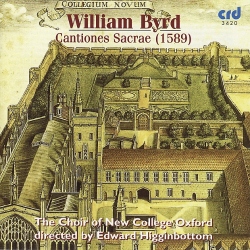
William Byrd
Vide Domine afflictionem
Released Album
Recent Album

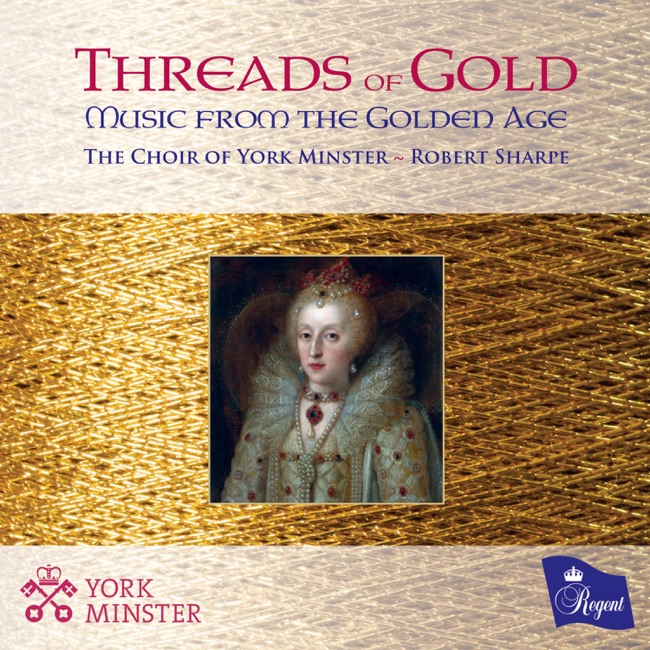
Featured Album
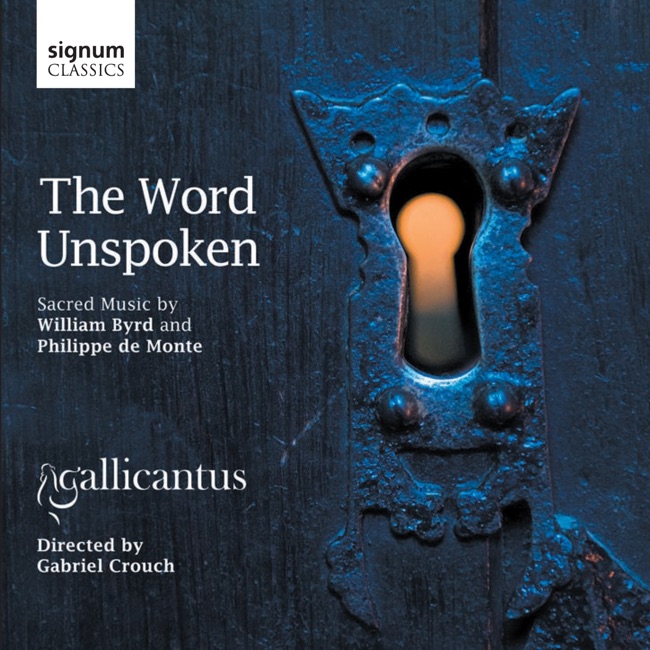
Works Info
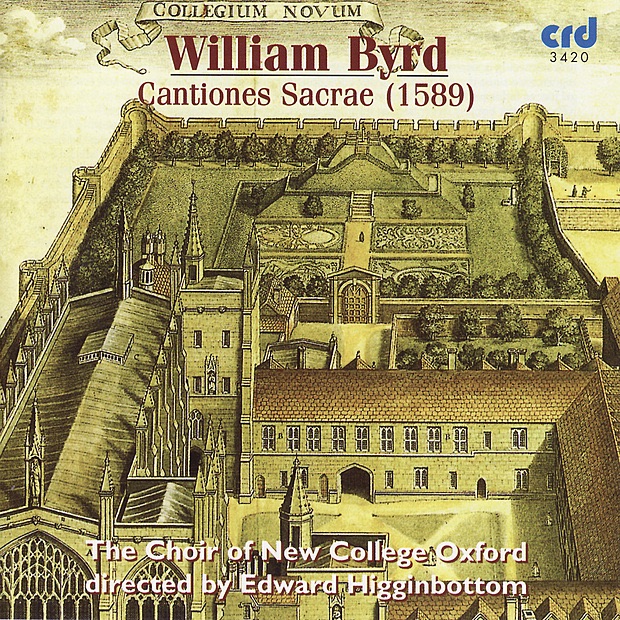
Composer:William ByrdGenre:ChoralStyle:MotetAverage_duration:7:31'Vide Domine afflictionem' is a sacred motet composed by William Byrd, an English composer of the Renaissance era. The piece was composed in 1589 and premiered in the Chapel Royal of Queen Elizabeth I. It is a part of Byrd's collection of Gradualia, which consists of two volumes of motets for the liturgical year. The motet is written for four voices, with the text taken from the Book of Lamentations. The piece is divided into three movements, with the first and third movements being in duple meter and the second movement in triple meter. The first movement begins with a homophonic texture, with all four voices singing in unison. The texture then becomes more complex, with imitative polyphony and overlapping phrases. The second movement is a contrast to the first, with a slower tempo and a more contemplative mood. The third movement returns to the faster tempo and complex polyphony of the first movement, with a final cadence that emphasizes the text "Jerusalem, Jerusalem, convertere ad Dominum Deum tuum" (Jerusalem, Jerusalem, return to the Lord your God). The piece is characteristic of Byrd's style, with its use of complex polyphony and imitative counterpoint. Byrd was known for his ability to create intricate and expressive vocal textures, and 'Vide Domine afflictionem' is no exception. The piece also demonstrates Byrd's skill in setting sacred texts to music, with the music enhancing the meaning and emotion of the words. Overall, 'Vide Domine afflictionem' is a powerful and expressive motet that showcases William Byrd's mastery of Renaissance polyphony and his ability to create music that is both beautiful and meaningful.More....
Works Music
Released Music

Featured Music