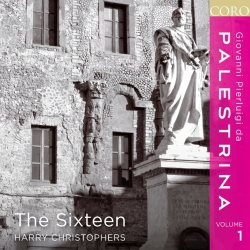
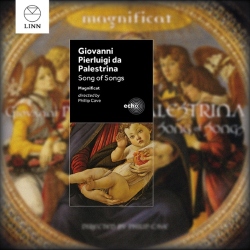
Giovanni Pierluigi da Palestrina
Sicut lilium inter spinas (from Motets Book I)
Released Album
Recent Album



Featured Album
Works Info
Composer:Giovanni Pierluigi da PalestrinaGenre:ChoralStyle:MotetCompose Date:1569Average_duration:4:43Giovanni Pierluigi da Palestrina was a prominent Italian composer of the Renaissance period. He is known for his sacred music compositions, which were characterized by their clarity, simplicity, and purity of sound. One of his most famous works is the motet "Sicut lilium inter spinas," which is part of his Motets Book I. The motet "Sicut lilium inter spinas" was composed by Palestrina in the late 16th century. It is a six-voice motet, which means that it is written for six vocal parts. The motet is based on a text from the Song of Solomon, which describes the beauty of a beloved woman who is compared to a lily among thorns. The motet is divided into three movements, each of which has its own distinct character. The first movement is slow and contemplative, with a gentle melody that is passed between the different vocal parts. The second movement is more lively and rhythmic, with a faster tempo and more complex harmonies. The third movement returns to the slower tempo of the first movement, but with a more elaborate and ornate melody. One of the most striking characteristics of "Sicut lilium inter spinas" is its use of polyphony. Polyphony is a musical technique in which multiple voices sing different melodies at the same time, creating a rich and complex texture of sound. Palestrina was a master of polyphony, and his motets are known for their intricate and beautiful harmonies. Another characteristic of Palestrina's music is its clarity and simplicity. Unlike some of his contemporaries, who favored complex and ornate compositions, Palestrina's music was designed to be easily understood and appreciated by the listener. His use of clear and simple melodies, combined with his skillful use of polyphony, created a sound that was both beautiful and accessible. The premiere of "Sicut lilium inter spinas" is not known, but it was likely performed in a church or other religious setting. Palestrina's music was primarily intended for use in the Catholic Church, and his motets were often performed during Mass or other religious services. Overall, "Sicut lilium inter spinas" is a beautiful and moving example of Palestrina's sacred music. Its use of polyphony, clear melodies, and simple harmonies create a sound that is both complex and accessible, and its text from the Song of Solomon adds a layer of meaning and depth to the composition.More....
Works Music
Released Music
3

5:22
4

3:49
5
4:45
6
3:25
Featured Music