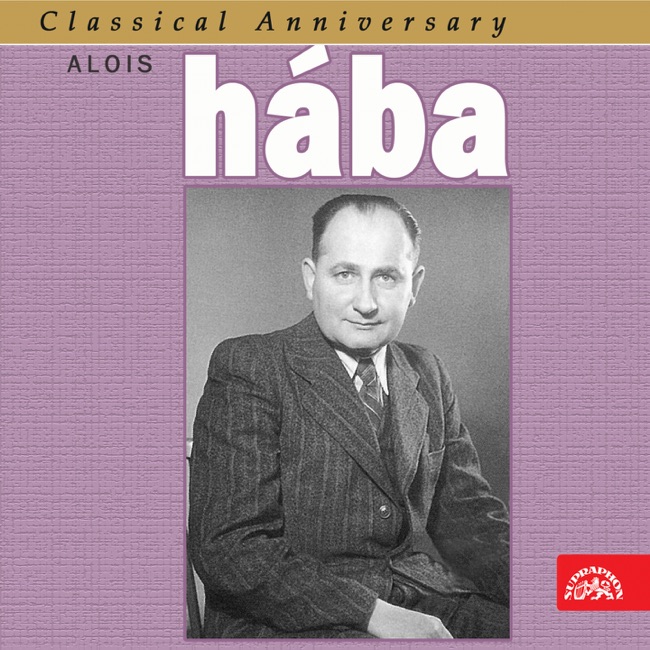
Alois Hába
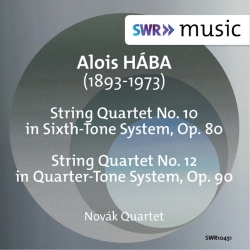
String Quartet No. 12 "In quarter-tone system", Op. 90
Released Album
Recent Album

Works Info
Composer:Alois HábaGenre:ChamberStyle:String QuartetCompose Date:1960Average_duration:15:32Movement_count:3Movement ....Alois Hába's String Quartet No. 12 In quarter-tone system, Op. 90 was composed in 1933 and premiered in Prague in the same year. The quartet is written for two violins, viola, and cello, and is unique in its use of quarter-tones, which are intervals that are half the size of a semitone. The quartet is divided into four movements, each with its own distinct character. The first movement, marked Allegro, is characterized by its driving rhythms and angular melodies. The use of quarter-tones creates a sense of tension and dissonance, which is heightened by the frequent use of chromaticism. The second movement, marked Adagio, is a slow and mournful piece that showcases the quartet's ability to create a rich and expressive sound. The use of quarter-tones in this movement creates a sense of ambiguity and uncertainty, which adds to the emotional impact of the music. The third movement, marked Allegro vivace, is a lively and energetic piece that features intricate rhythms and playful melodies. The use of quarter-tones in this movement creates a sense of unpredictability and adds to the sense of excitement and energy. The final movement, marked Andante, is a slow and contemplative piece that brings the quartet to a peaceful and introspective conclusion. The use of quarter-tones in this movement creates a sense of otherworldliness and adds to the sense of transcendence that the music conveys. Overall, Hába's String Quartet No. 12 In quarter-tone system, Op. 90 is a groundbreaking work that showcases the composer's innovative use of quarter-tones. The quartet's unique sound and expressive power make it a significant contribution to the string quartet repertoire.More....
Works Music
Released Music