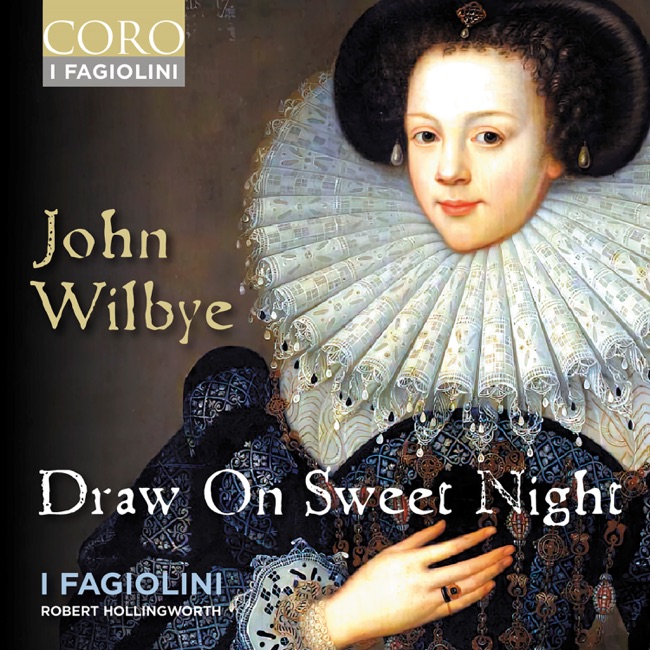
John Wilbye
Thou art but young, thou saye'st (First Set of English Madrigals, No. 29)
Works Info
Composer:John WilbyeGenre:VocalPublication Date:1598John Wilbye's "Thou art but young, thou saye'st" is a madrigal that was composed in the late 16th century. It was part of his First Set of English Madrigals, which was published in 1598. The piece is written for five voices, and it is a prime example of the English madrigal style. The madrigal is divided into three movements, each with its own distinct character. The first movement is marked "Allegro," and it is a lively and energetic piece. The second movement is marked "Adagio," and it is a slower and more contemplative piece. The final movement is marked "Allegro," and it returns to the lively and energetic character of the first movement. The text of the madrigal is a love poem, and it is written in the first person. The speaker is addressing a young woman, telling her that she is too young to understand the depth of his love for her. He tells her that he has loved her since he first saw her, and that his love for her will never fade. The music of the madrigal is characterized by its use of polyphony, which is the simultaneous sounding of multiple independent melodies. The five voices weave in and out of each other, creating a complex and intricate texture. The harmonies are often dissonant, but they resolve in a satisfying way. Overall, "Thou art but young, thou saye'st" is a beautiful example of the English madrigal style. It showcases Wilbye's skill as a composer, and it is a testament to the enduring power of love poetry.More....
Works Music
Released Music