Louis Couperin
Fugue for organ (L'oeuvre d'orgue, No. 61)
Released Album
Recent Album
Works Info
Composer:Louis CouperinGenre:KeyboardStyle:FugueCompose Date:Jul 22, 1656Average_duration:2:43Louis Couperin was a French Baroque composer and organist who lived from 1626 to 1661. He was a member of a famous musical family, which included his cousin Francois Couperin, who was also a renowned composer. Louis Couperin's Fugue for organ, also known as L'oeuvre d'orgue, No. 61, is one of his most famous works. The Fugue for organ was composed in the mid-17th century, and it premiered in France during Couperin's lifetime. The piece is written for solo organ and is composed in the key of G minor. It is a single movement work that lasts approximately four minutes. The Fugue for organ is a prime example of Couperin's mastery of counterpoint. The piece is built around a single theme that is introduced at the beginning of the work. This theme is then developed and transformed throughout the piece, creating a complex and intricate web of musical lines. The fugue is characterized by its use of imitative polyphony, in which different voices enter one after another, each repeating the same theme in a different key or at a different pitch level. The Fugue for organ is also notable for its use of dissonance and chromaticism. Couperin employs a variety of harmonic devices to create tension and release throughout the piece. The use of dissonance and chromaticism gives the piece a sense of emotional intensity and drama. Overall, the Fugue for organ is a masterful work of Baroque music. It showcases Couperin's skill as a composer and his ability to create complex and intricate musical structures. The piece is a testament to the rich musical tradition of the French Baroque and remains a beloved work of organ music to this day.More....
Works Music
Released Music
1
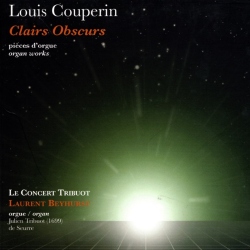
2:5
2
2:26