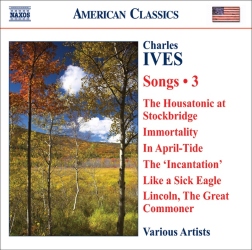
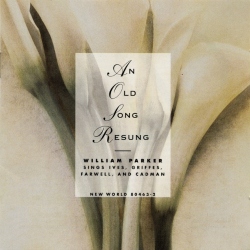
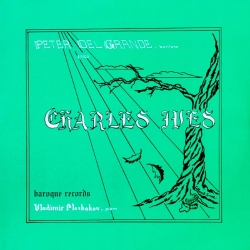
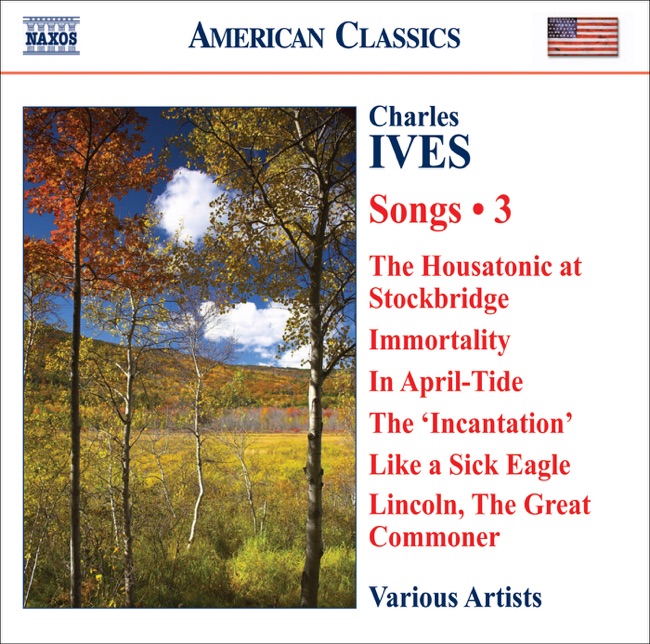
Charles Ives
His Exaltation, S. 265
Released Album
Recent Album
Works Info
Composer:Charles IvesGenre:VocalStyle:Vocal MusicCompose Date:1913Publication Date:1922Average_duration:1:59Charles Ives was an American composer who was known for his experimental and innovative approach to music. One of his most famous works is "His Exaltation, S. 265," which was composed in 1911. The piece is a four-movement work for organ, and it is considered to be one of Ives' most challenging compositions. The premiere of "His Exaltation" took place on May 19, 1911, at the First Presbyterian Church in Bloomfield, New Jersey. The organist for the premiere was Henry G. Ley, who was a friend and supporter of Ives. The piece was well-received by the audience, and it helped to establish Ives as a leading figure in American music. The first movement of "His Exaltation" is titled "Prelude on a Melody of Henry Ward Beecher." This movement is based on a hymn tune written by Beecher, who was a prominent American clergyman and social reformer. Ives takes the melody and transforms it into a complex and dissonant piece that challenges the listener's expectations. The second movement is titled "The Gospel of Peace." This movement is a slow and contemplative piece that features a series of chords that gradually build in intensity. The movement is meant to evoke a sense of spiritual contemplation and reflection. The third movement is titled "The Incarnation." This movement is a fast and frenetic piece that features a series of complex rhythms and dissonant harmonies. The movement is meant to evoke a sense of chaos and confusion, which is then resolved in the final movement. The fourth and final movement is titled "The Resurrection." This movement is a triumphant and joyful piece that features a series of soaring melodies and triumphant chords. The movement is meant to evoke a sense of hope and renewal, and it serves as a fitting conclusion to the piece. Overall, "His Exaltation, S. 265" is a challenging and complex work that showcases Ives' innovative approach to music. The piece is a testament to Ives' ability to take traditional musical forms and transform them into something new and exciting.More....
Works Music