Sigismondo d'India
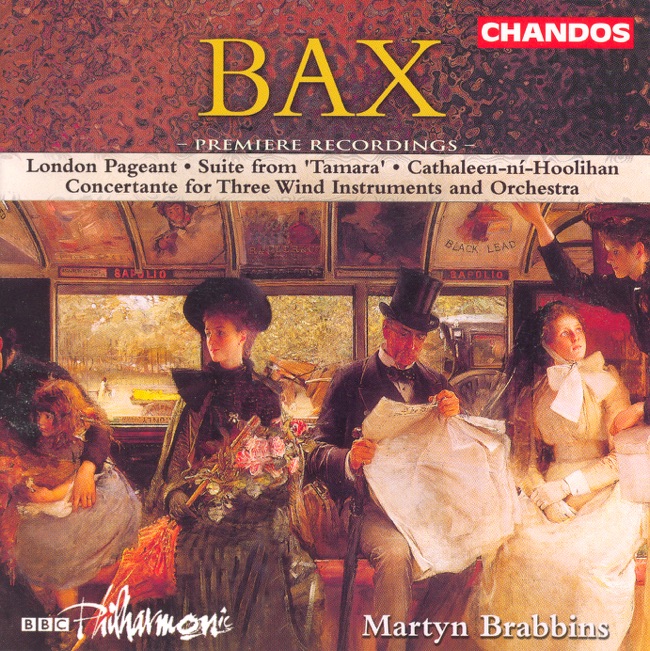
Suite From Tamara
Works Info
Composer:Sigismondo d'IndiaGenre:OperaStyle:OperaAverage_duration:23:04Sigismondo d'India's opera 'Suite From Tamara' was composed in the early 17th century, during the Baroque period. The plot of the opera is based on a story from the Persian poet Nizami's 'Khamsa', which tells the tale of the love between the Georgian princess Tamara and the Persian prince Rostam. The opera is divided into several movements, each of which represents a different scene from the story. The first movement, titled 'Overture', sets the tone for the opera with its lively and energetic music. The second movement, 'Tamara's Aria', introduces the character of Tamara and her longing for Rostam. The third movement, 'Rostam's Aria', features Rostam singing of his love for Tamara. The fourth movement, 'Dance of the Maidens', is a lively dance performed by Tamara's attendants. The fifth movement, 'The Battle', depicts the conflict between Rostam and Tamara's father, the Georgian king. The sixth movement, 'Tamara's Lament', is a mournful aria sung by Tamara after Rostam's death. The final movement, 'Finale', brings the opera to a close with a triumphant and celebratory tone. Overall, the music of 'Suite From Tamara' is characterized by its use of intricate melodies, rich harmonies, and expressive vocal lines. The opera premiered in the early 17th century, likely in Italy where d'India spent much of his career. Despite its initial popularity, 'Suite From Tamara' fell out of favor in the centuries following its premiere and was largely forgotten until the 20th century when it was rediscovered and revived by modern musicians. Today, 'Suite From Tamara' is recognized as an important work of Baroque opera and is celebrated for its beautiful music and compelling storytelling.More....
Works Music
Released Music