Kaikhosru Sorabji
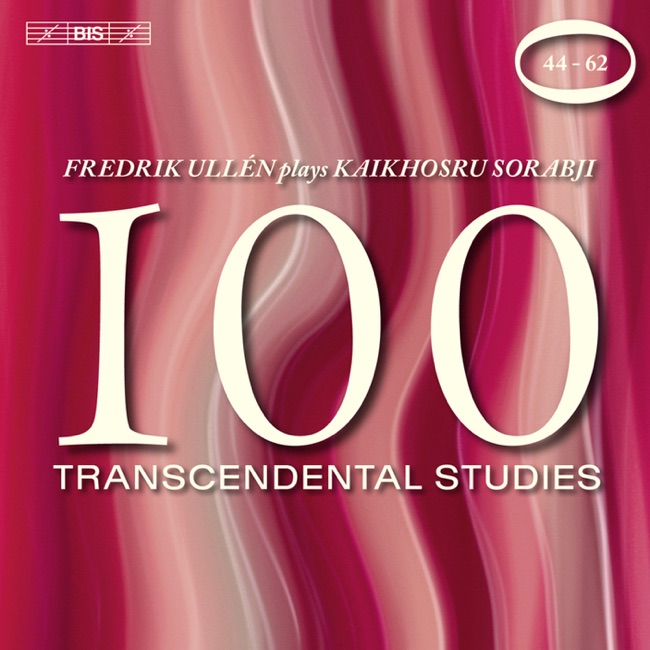
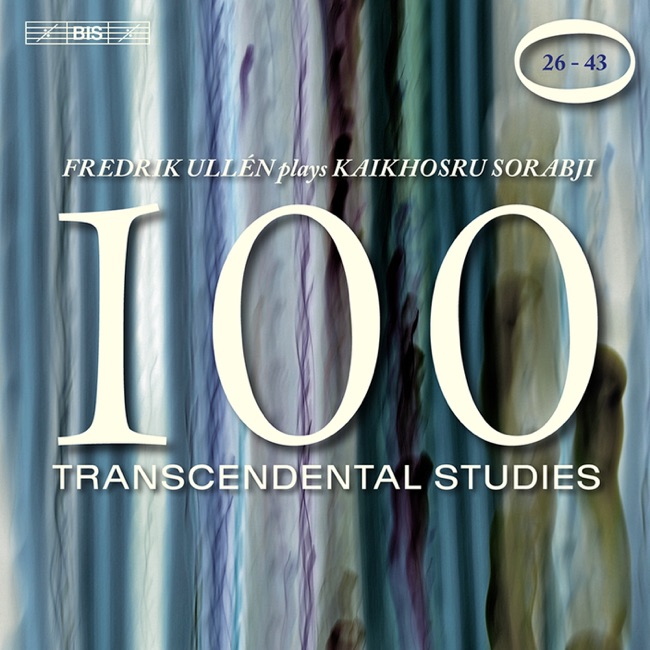
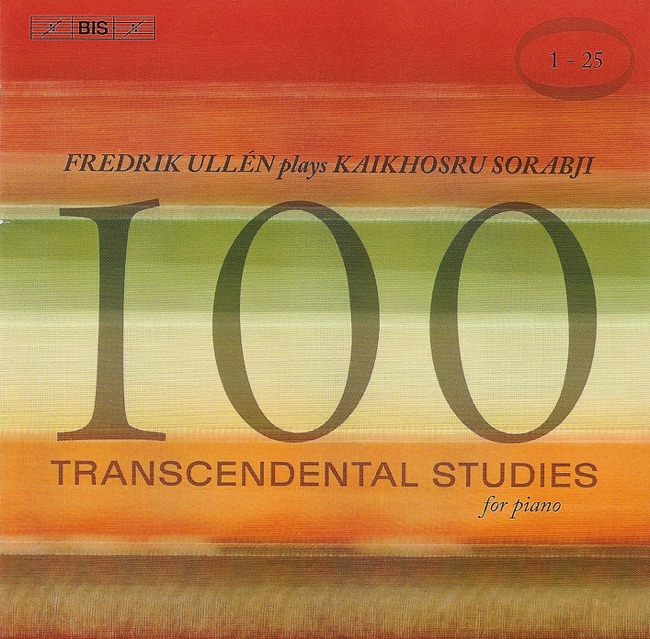
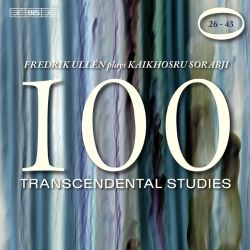
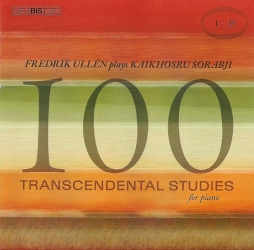
Trancendental Etudes (100)
Released Album
Recent Album

Featured Album
Works Info
Composer:Kaikhosru SorabjiGenre:KeyboardStyle:KeyboardCompose Date:1940 - 1944Movement_count:100Movement ....Kaikhosru Sorabji's "Transcendental Etudes (100)" is a monumental work for solo piano, composed between 1940 and 1944. The work is divided into ten books, each containing ten etudes, and is considered one of the most challenging and complex works in the piano repertoire. The premiere of the "Transcendental Etudes" was given by the composer himself in 1949, and it was not until the 1970s that other pianists began to tackle the work. The etudes are characterized by their extreme technical demands, as well as their length and complexity. Some of the etudes are over an hour long, and require the pianist to navigate intricate polyrhythms, dense harmonies, and virtuosic runs and arpeggios. Despite their technical challenges, the "Transcendental Etudes" are also notable for their musical depth and complexity. Sorabji was heavily influenced by the music of Liszt and Busoni, and the etudes reflect this influence in their use of virtuosic figuration, chromatic harmonies, and complex counterpoint. However, Sorabji also incorporates elements of Indian classical music, as well as his own unique harmonic language, into the etudes. The ten books of the "Transcendental Etudes" are each organized around a different theme or concept, such as "The Resurrection," "The Natura Morta," and "The Orgy." Within each book, the individual etudes explore different aspects of the theme, often through intricate musical symbolism and allusion. Overall, the "Transcendental Etudes" represent a remarkable achievement in the history of piano music, both for their technical demands and their musical complexity. While they remain a daunting challenge for even the most accomplished pianists, they also offer a rich and rewarding musical experience for those willing to undertake the journey.More....
Works Music
Released Music
1
Tracendental Etudes (100)
99. Quasi Fantasia (Nello stilo della fantasia cromatica di Giovanni Sebastiano)
16:11
Featured Music