Johannes Ockeghem
Alma Redemptoris Mater
Released Album
Recent Album
Featured Album
Works Info
Composer:Johannes OckeghemGenre:ChoralStyle:MotetCompose Date:before 1498Average_duration:5:18Alma Redemptoris Mater is a sacred motet composed by Johannes Ockeghem, a prominent composer of the Franco-Flemish School, in the late 15th century. The piece is dedicated to the Virgin Mary and is one of four Marian antiphons that were traditionally sung in the Catholic Church during different seasons of the liturgical year. The composition of Alma Redemptoris Mater is believed to have been completed around 1475-1485, during Ockeghem's tenure as a singer and composer at the royal court of Charles the Bold, Duke of Burgundy. The piece is written for four voices, with the soprano and alto parts sung by women and the tenor and bass parts sung by men. The motet is divided into three movements, each of which is based on a different section of the antiphon text. The first movement is a polyphonic setting of the antiphon's opening line, "Alma Redemptoris Mater," with the four voices weaving in and out of each other in a complex and intricate web of counterpoint. The second movement sets the text "Tu quae genuisti," which refers to Mary's role as the mother of Jesus, and features a more homophonic texture with the four voices singing in unison or in simple harmonies. The final movement sets the text "Gabrielis ab ore," which refers to the Annunciation, and features a lively and rhythmic setting with syncopated rhythms and playful melodic lines. One of the most striking characteristics of Alma Redemptoris Mater is its use of complex and sophisticated polyphony. Ockeghem was known for his mastery of counterpoint, and this motet is a prime example of his skill in weaving together multiple independent melodic lines into a cohesive and harmonious whole. The piece also showcases Ockeghem's use of dissonance and chromaticism, which add a sense of tension and drama to the music. Alma Redemptoris Mater was likely performed in a liturgical context, as part of the daily services in the Catholic Church. However, it has also been appreciated as a work of art in its own right, and has been studied and performed by musicians and scholars for centuries. Its enduring popularity is a testament to Ockeghem's skill as a composer and his contribution to the development of polyphonic music in the Renaissance era.More....
Works Music
Released Music
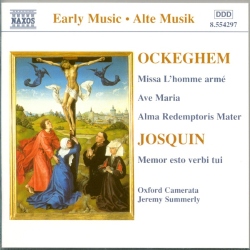
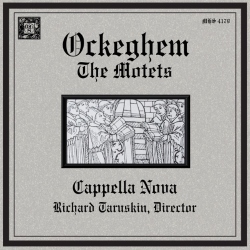
Featured Music