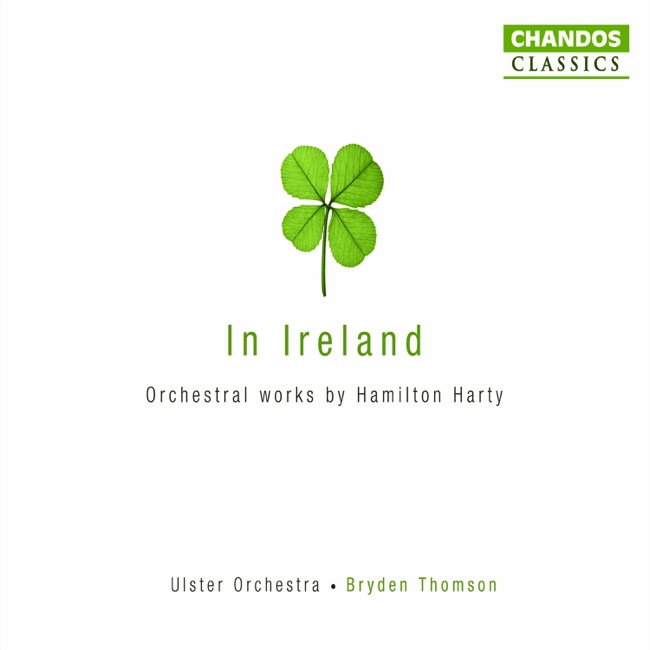
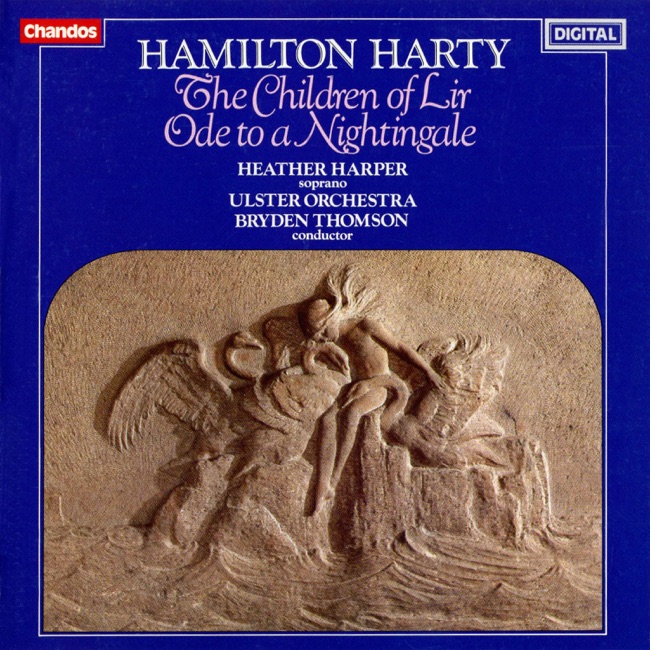
Hamilton Harty
Ode to a Nightingale for soprano & orchestra
Released Album
Recent Album
Works Info
Composer:Hamilton HartyGenre:VocalStyle:Vocal MusicAverage_duration:22:30Hamilton Harty's 'Ode to a Nightingale for soprano & orchestra' is a musical composition that was composed in 1917. The piece was premiered on October 10, 1917, at the Queen's Hall in London, England. The composition is based on the poem 'Ode to a Nightingale' by John Keats, which was written in 1819. The piece is divided into five movements, each of which represents a different aspect of the poem. The first movement, 'Prelude', sets the tone for the piece with a slow and mournful melody played by the strings. The second movement, 'The Nightingale', features the soprano soloist singing the words of the poem. The music is light and airy, with the orchestra providing a delicate accompaniment to the soloist. The third movement, 'The Dark Shadowy Wood', is a darker and more ominous section of the piece. The music is slow and brooding, with the orchestra creating a sense of foreboding. The fourth movement, 'The Joy of the Nightingale', is a more upbeat and lively section of the piece. The music is fast-paced and energetic, with the orchestra and soloist working together to create a sense of joy and celebration. The final movement, 'Epilogue', brings the piece to a close with a return to the mournful melody of the 'Prelude'. The music is slow and contemplative, with the orchestra and soloist working together to create a sense of finality and closure. Overall, 'Ode to a Nightingale for soprano & orchestra' is a beautiful and haunting composition that captures the essence of Keats' poem. The music is both delicate and powerful, with the orchestra and soloist working together to create a sense of emotion and depth. The piece is a testament to Harty's skill as a composer and his ability to bring poetry to life through music.More....
Works Music
Released Music