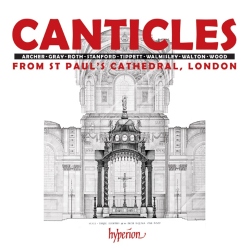
Charles Wood
Magnificat and Nunc dimittis 'Collegium Regale' in F major
Released Album
Recent Album
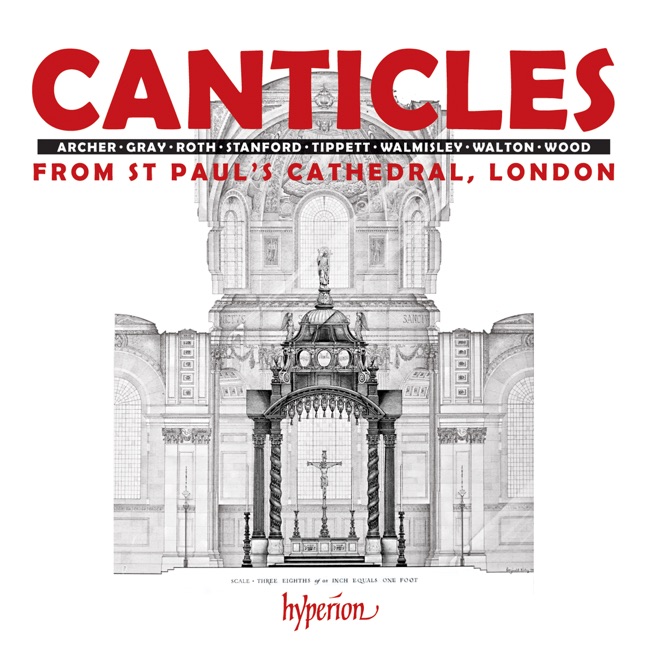
Works Info
Composer:Charles WoodCompose Date:1915Movement_count:2Movement ....Charles Wood's 'Magnificat and Nunc dimittis 'Collegium Regale' in F major' is a choral composition that showcases the composer's mastery of the Anglican choral tradition. It was composed in 1916 and premiered on October 10, 1918, at King's College, Cambridge, under the direction of A.H. Mann.$$$The piece consists of two movements, the Magnificat and the Nunc dimittis, which are both settings of biblical texts from the Book of Common Prayer. The Magnificat is a canticle that recounts the Virgin Mary's song of praise, while the Nunc dimittis is Simeon's song of thanksgiving upon seeing the infant Jesus.$$$Wood's 'Magnificat and Nunc dimittis 'Collegium Regale' in F major' is characterized by its rich harmonies, expressive melodies, and intricate counterpoint. The opening of the Magnificat features a majestic choral fanfare, followed by a more subdued section where the voices intertwine in polyphonic textures. The music then builds to a powerful climax before subsiding into a serene and contemplative conclusion.$$$In the Nunc dimittis, Wood employs a more restrained and introspective approach. The choral lines are often homophonic, allowing the text to be clearly heard. The harmonies are lush and evocative, creating a sense of reverence and awe. The movement ends with a gentle and peaceful resolution, reflecting the contentment and fulfillment expressed in Simeon's words.$$$Wood's 'Magnificat and Nunc dimittis 'Collegium Regale' in F major' is a testament to his skill in writing for the Anglican choral tradition. The piece showcases his ability to create music that is both technically demanding and emotionally resonant. Its premiere at King's College, Cambridge, solidified its place as a beloved staple of the choral repertoire, and it continues to be performed and admired by choirs around the world.More....
Works Music
Released Music