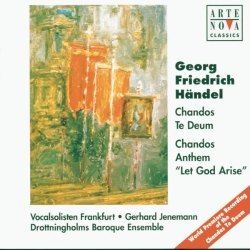
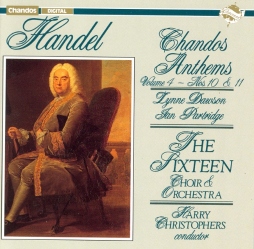
George Frederick Handel
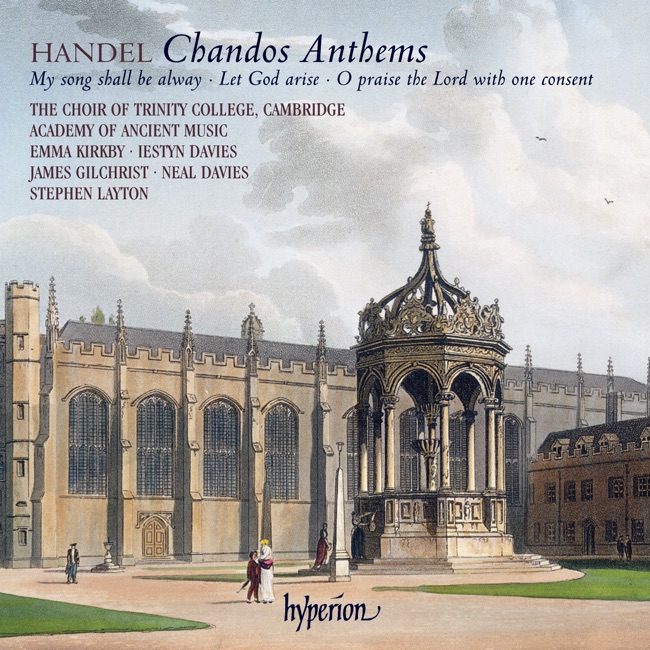
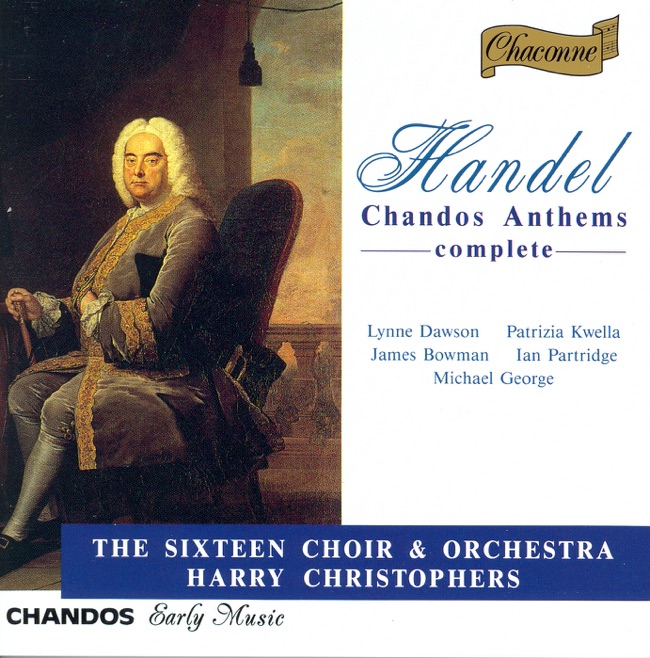
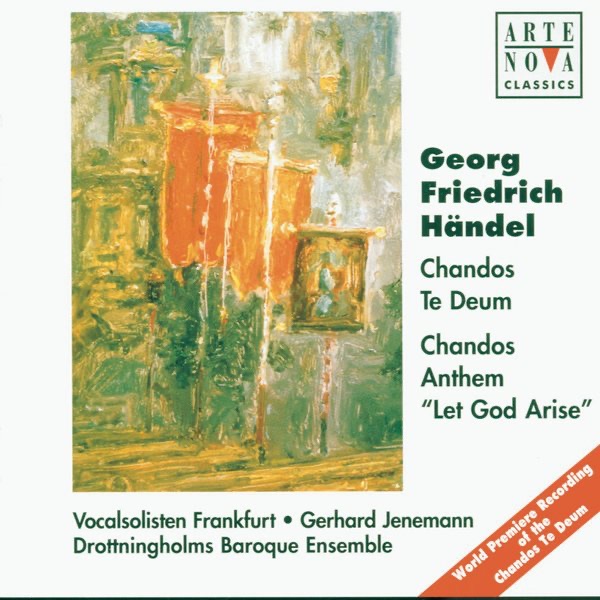
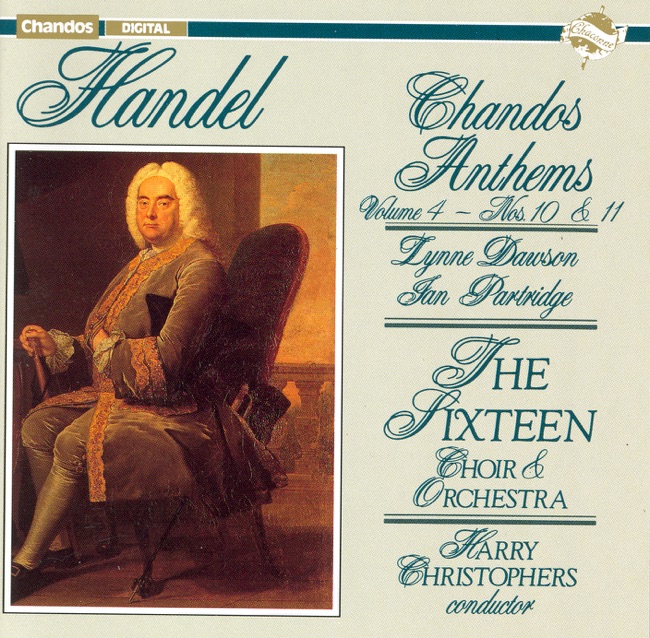
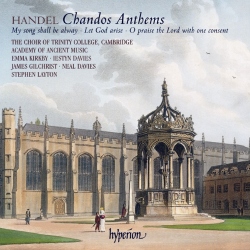
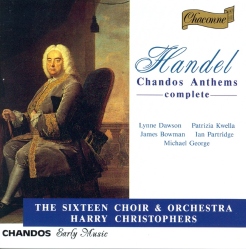
Chandos Anthem No. 11 in B flat major, "Let God Arise", HWV 256
Released Album
Recent Album

Works Info
Composer:George Frederick HandelGenre:ChoralStyle:AnthemCompose Date:1717 - 1718Average_duration:21:18George Frederick Handel's 'Chandos Anthem No. 11 in B flat major, Let God Arise, HWV 256' was composed in 1717 for the Duke of Chandos, who was a patron of Handel. The anthem was premiered at the Duke's chapel in Cannons, Edgware, on 11th June 1717. The anthem consists of three movements, each with its own distinct character. The first movement, 'Let God Arise', is a grand and majestic opening, with a full chorus and orchestra. The second movement, 'Like as the Smoke Vanisheth', is a more subdued and reflective section, featuring a solo soprano and a small ensemble. The final movement, 'Let the Righteous Be Glad', is a joyful and celebratory conclusion, with a lively chorus and orchestra. The anthem showcases Handel's mastery of choral writing, with intricate harmonies and counterpoint throughout. The use of soloists and small ensembles in the second movement adds variety and contrast to the piece. The final movement is particularly notable for its use of syncopated rhythms and lively dance-like melodies. Overall, 'Chandos Anthem No. 11 in B flat major, Let God Arise, HWV 256' is a stunning example of Handel's choral writing, showcasing his ability to create grand and majestic works as well as more intimate and reflective pieces. Its premiere at Cannons was a great success, and the anthem has remained a popular work in the choral repertoire to this day.More....
Works Music
Released Music
1

Chando's Anthem No. 11 in B flat major, "Let God Arise", HWV 256
'Like As the Smoke Vanisheth'
2:34
3
2:47
4
3:52