


14th Century Polyphony Anonymous
Deus tuorum militum (Apt, MS. 16bis)
Works Info
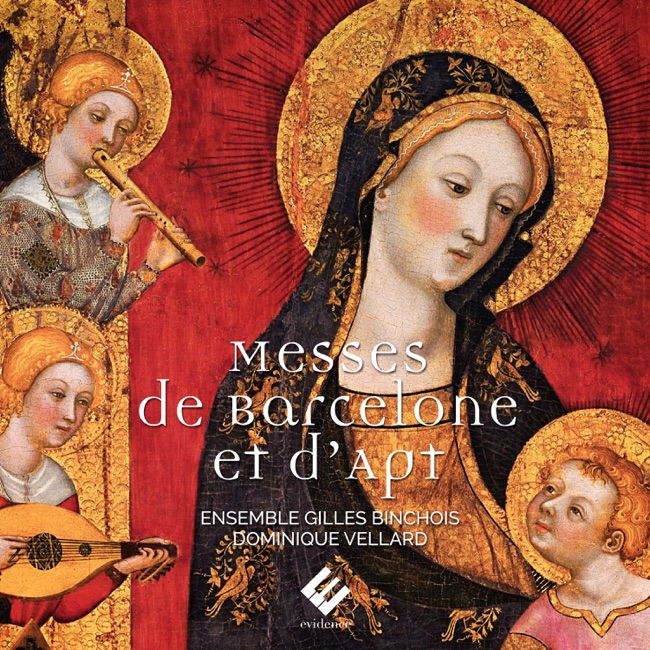
Composer:14th Century Polyphony AnonymousGenre:VocalAverage_duration:04:17Deus tuorum militum (Apt, MS. 16bis) is a 14th-century polyphonic composition of unknown authorship. The piece is believed to have been composed in the late 14th century, and it is one of the earliest examples of polyphonic music from the region of Provence in southern France. The composition is written in four movements, each of which is based on a different section of the Latin hymn "Deus tuorum militum." The first movement is a simple and straightforward setting of the hymn's opening verse, while the second movement is a more complex and ornate setting of the second verse. The third movement is a brief and simple setting of the third verse, while the fourth and final movement is a more elaborate and complex setting of the hymn's final verse. The characteristics of Deus tuorum militum (Apt, MS. 16bis) are typical of the polyphonic music of the late Middle Ages. The piece is written for four voices, with each voice singing a different part of the hymn. The voices are arranged in a way that creates a rich and complex texture, with each voice contributing to the overall sound of the piece. The composition is notable for its use of melismatic writing, which is a technique in which a single syllable is sung over multiple notes. This technique is used extensively throughout the piece, particularly in the more ornate and complex sections. Deus tuorum militum (Apt, MS. 16bis) is believed to have been premiered in the late 14th century, although the exact date and location of its premiere are unknown. The piece has since become a popular example of medieval polyphony, and it is frequently performed by choirs and vocal ensembles around the world.More....
Works Music
Released Music
1
Deus tuorum militum (Apt, MS. 16bis)
Deus tuorum militum, hymne à 3 voix avec plain-chant alterné
4:17