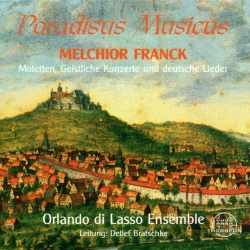
Melchior Franck
In illo tempore à 4
Released Album
Recent Album

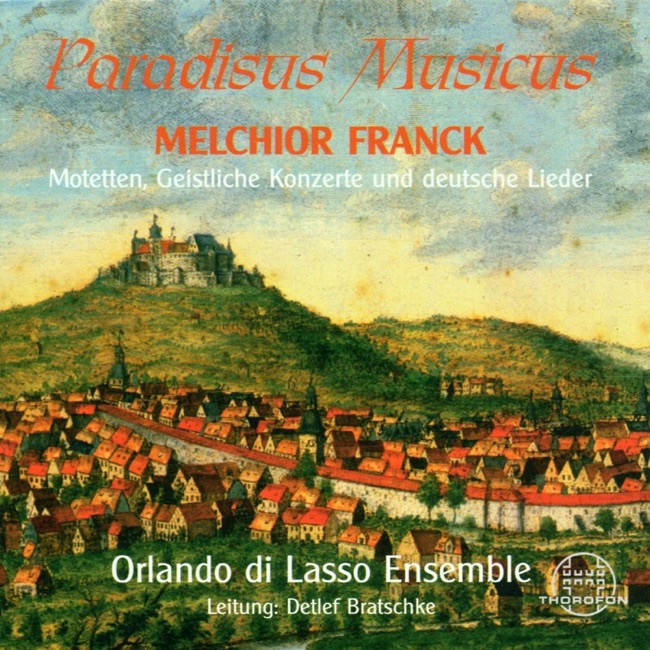
Works Info
Composer:Melchior FranckGenre:VocalStyle:Vocal MusicCompose Date:1621Average_duration:4:30Melchior Franck's 'In illo tempore à 4' is a sacred motet composed in the late 16th century. The exact date of composition is unknown, but it is believed to have been written between 1580 and 1590. The piece was first performed in a church setting, likely during a mass or other religious service. The motet is written for four voices, with a soprano, alto, tenor, and bass part. It is divided into three movements, each with its own distinct character and musical style. The first movement is a lively and energetic setting of the text "In illo tempore," which tells the story of Jesus healing a man with a withered hand on the Sabbath. The music is characterized by fast-paced rhythms, intricate counterpoint, and frequent changes in tempo and dynamics. The second movement is a more contemplative setting of the text "Et ecce homo," which describes the moment when Pilate presents Jesus to the crowd before his crucifixion. The music is slower and more subdued than the first movement, with a focus on rich harmonies and expressive melodies. The third and final movement returns to the lively and energetic style of the first, with a setting of the text "Et factum est," which describes the healing of the man with the withered hand. The music builds to a triumphant conclusion, with all four voices coming together in a powerful final chord. Overall, 'In illo tempore à 4' is a masterful example of late Renaissance sacred music. It showcases Franck's skill as a composer, with its intricate counterpoint, expressive melodies, and dynamic contrasts. The piece is also notable for its use of text painting, with the music reflecting the meaning and emotion of the words. It remains a popular and frequently performed work in the choral repertoire.More....
Works Music
Released Music
1

In illo tempo at 4
Newes Teutsches Musicalisches Froeliches Convivium, Coburg 1622: In illo tempore (Die Gans)
3:8