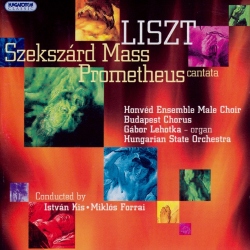
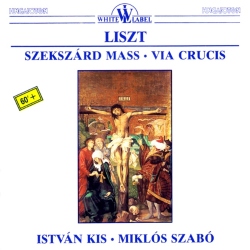
Franz Liszt
Missa quattuor vocum ad aequales III, S. 8ii
Released Album
Recent Album
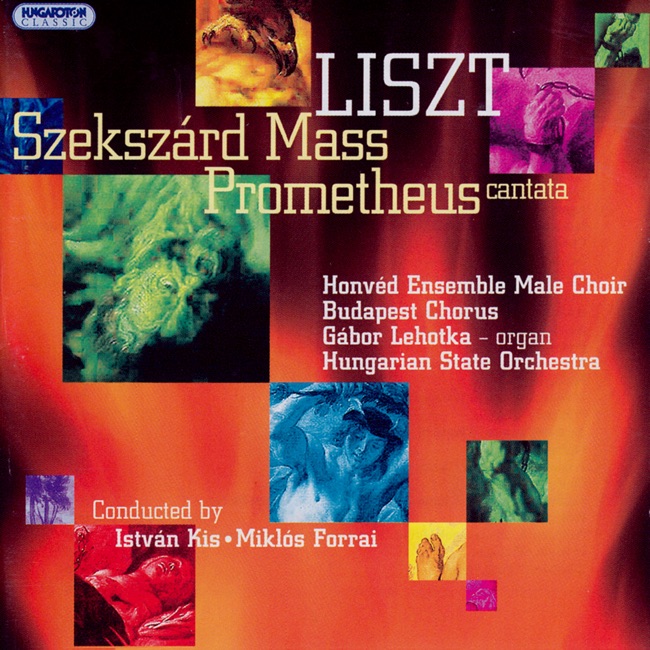
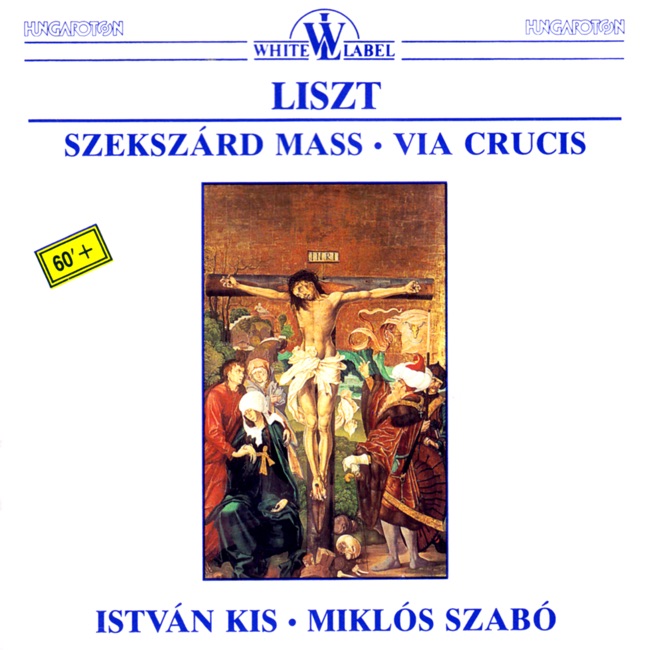
Works Info
Composer:Franz LisztGenre:ChoralStyle:MassCompose Date:1869Publication Date:1869First Performance:Sep 23, 1870Average_duration:32:22Movement_count:6Movement ....Franz Liszt's 'Missa quattuor vocum ad aequales III, S. 8ii' is a choral work composed in 1865. It was premiered on August 15, 1865, at the Basilica of San Francesco in Assisi, Italy. The work is divided into six movements, each with its own unique characteristics. The first movement, Kyrie, begins with a solemn and prayerful melody sung by the choir. The music gradually builds in intensity, with the choir singing in harmony and the organ providing a rich accompaniment. The movement ends with a quiet and peaceful resolution. The second movement, Gloria, is a joyful and celebratory piece. The choir sings in a lively and energetic manner, with the organ providing a lively accompaniment. The music is full of contrasts, with moments of quiet reflection followed by bursts of exuberance. The third movement, Credo, is a complex and intricate piece. The choir sings in a polyphonic style, with each voice part weaving in and out of the others. The music is full of tension and drama, with moments of dissonance and resolution. The fourth movement, Sanctus, is a serene and peaceful piece. The choir sings in a gentle and soothing manner, with the organ providing a soft and delicate accompaniment. The music is full of beauty and grace, with moments of quiet contemplation. The fifth movement, Benedictus, is a contemplative and introspective piece. The choir sings in a hushed and reverent manner, with the organ providing a gentle and understated accompaniment. The music is full of emotion and depth, with moments of profound beauty. The final movement, Agnus Dei, is a solemn and prayerful piece. The choir sings in a mournful and plaintive manner, with the organ providing a somber and mournful accompaniment. The music is full of pathos and sorrow, with moments of quiet resignation. Overall, Liszt's 'Missa quattuor vocum ad aequales III, S. 8ii' is a complex and intricate work that showcases the composer's mastery of choral music. The music is full of contrasts, with moments of joy and celebration followed by moments of sorrow and contemplation. The work is a testament to Liszt's skill as a composer and his deep understanding of the human experience.More....
Works Music
Released Music